Sitecore Development Services Cost

In This Article
- Pricing, Timeline and Engagement Models
- Need an Accurate Sitecore Development Estimate?
- What Affects Sitecore Development Cost?
- Sitecore Development Cost Comparison
- Sitecore Pricing and Engagement Models
- Hourly Sitecore Development
- Dedicated Monthly Developer
- Fixed Project Delivery
- Support and Maintenance
- Sitecore XP vs SitecoreAI/XM Cloud Cost
- Offshore Sitecore Development vs Local Hiring
- How Long Does Sitecore Development Take?
- Related Sitecore Services
- Control Sitecore Cost Before Development Starts
- Planning a Sitecore Project?
Pricing, Timeline and Engagement Models
Sitecore development cost depends on whether you need a developer, ongoing support, a defined implementation, enterprise integration or a complete SitecoreAI/XM Cloud modernization project. Individual Sitecore engineering can start from approximately $18–$40 per hour, while dedicated monthly developers can start around $2,500/month. Larger implementations and migrations require project-specific estimates based on architecture, integrations, content, frontend complexity, QA and deployment requirements.
The important question is therefore not simply “How much does Sitecore development cost?” but “What Sitecore expertise, delivery ownership and project scope are included in that cost?”
Murmu Software Infotech provides Sitecore CMS Development Services for enterprises needing Sitecore XP, XM, SXA, SitecoreAI, XM Cloud, Next.js, integrations, migration, DevOps and ongoing development.

Scale Sitecore Delivery With Confidence
Get flexible Sitecore development, offshore engineering, migration, support, and SitecoreAI expertise aligned to your cost, timeline, and delivery goals.
Need an Accurate Sitecore Development Estimate?
Share your current Sitecore version, project scope, integrations, frontend architecture and delivery goals. We can help identify the right team and engagement model before development begins.
Discuss Your Sitecore Project →
What Affects Sitecore Development Cost?
Two Sitecore projects can have very different costs even when they appear similar from the outside.
The biggest cost factors usually include:
- Existing Sitecore version and architecture
- Sitecore XP, XM, SXA or SitecoreAI/XM Cloud
- Number of websites, markets and languages
- Custom components and business logic
- Next.js or headless frontend requirements
- Content migration volume
- CRM, ERP, commerce and API integrations
- Search and personalization requirements
- DevOps and deployment complexity
- Testing and QA requirements
- Performance and security requirements
- Required support after launch
A small enhancement to an existing platform may require only one specialist developer. A complete enterprise modernization may require Sitecore, frontend, DevOps, QA and architecture expertise working together.
Sitecore Development Cost Comparison
| Engagement | Best For | Cost Structure |
|---|---|---|
| Hourly Developer | Fixes, components, integrations, short backlog | Pay for engineering hours |
| Dedicated Developer | Continuous development | Predictable monthly capacity |
| Project-Based Team | Defined implementation or migration | Scope and milestone based |
| Managed Support | Production platforms | Monthly or annual support |
| Offshore Team | Growing enterprise backlog | Flexible multi-role capacity |
| Sitecore Agency | End-to-end delivery ownership | Project or managed engagement |
If your internal architects and product team already control delivery, it may be more economical to Hire Sitecore Developers.
When you need architecture, QA, DevOps, migration planning and delivery ownership together, working with a Sitecore Development Agency in India can provide a broader delivery model.
Sitecore Pricing and Engagement Models
Hourly Sitecore Development
Selected Sitecore development engagements can start at approximately $18/hour, depending on skills and scope.
Hourly development is useful for:
- Component development
- Bug fixes
- Integrations
- Technical troubleshooting
- Small enhancements
- Defined backlog tasks
Specialist dedicated developers are currently offered around $20–$40/hour, depending on experience and technical requirements.
Dedicated Monthly Developer
Dedicated Sitecore developers can start around $2,500/month.
This model works well when you have a regular backlog involving:
- Sprint development
- New components
- API integrations
- Platform enhancements
- Technical debt
- Performance improvements
- Migration preparation
Fixed Project Delivery
Project-based pricing is more suitable when deliverables can be defined clearly.
Examples include:
- New Sitecore implementations
- Sitecore XP modernization
- Headless redevelopment
- Enterprise integrations
- Content migration
- SitecoreAI/XM Cloud implementation
Instead of buying hours, the business is paying for agreed milestones, responsibilities and outcomes.
Support and Maintenance
A completed Sitecore implementation still requires engineering after launch.
For production issues, updates, deployments, performance optimization, integrations and continuous development, an ongoing Sitecore Development Support model can create more predictable operational costs.
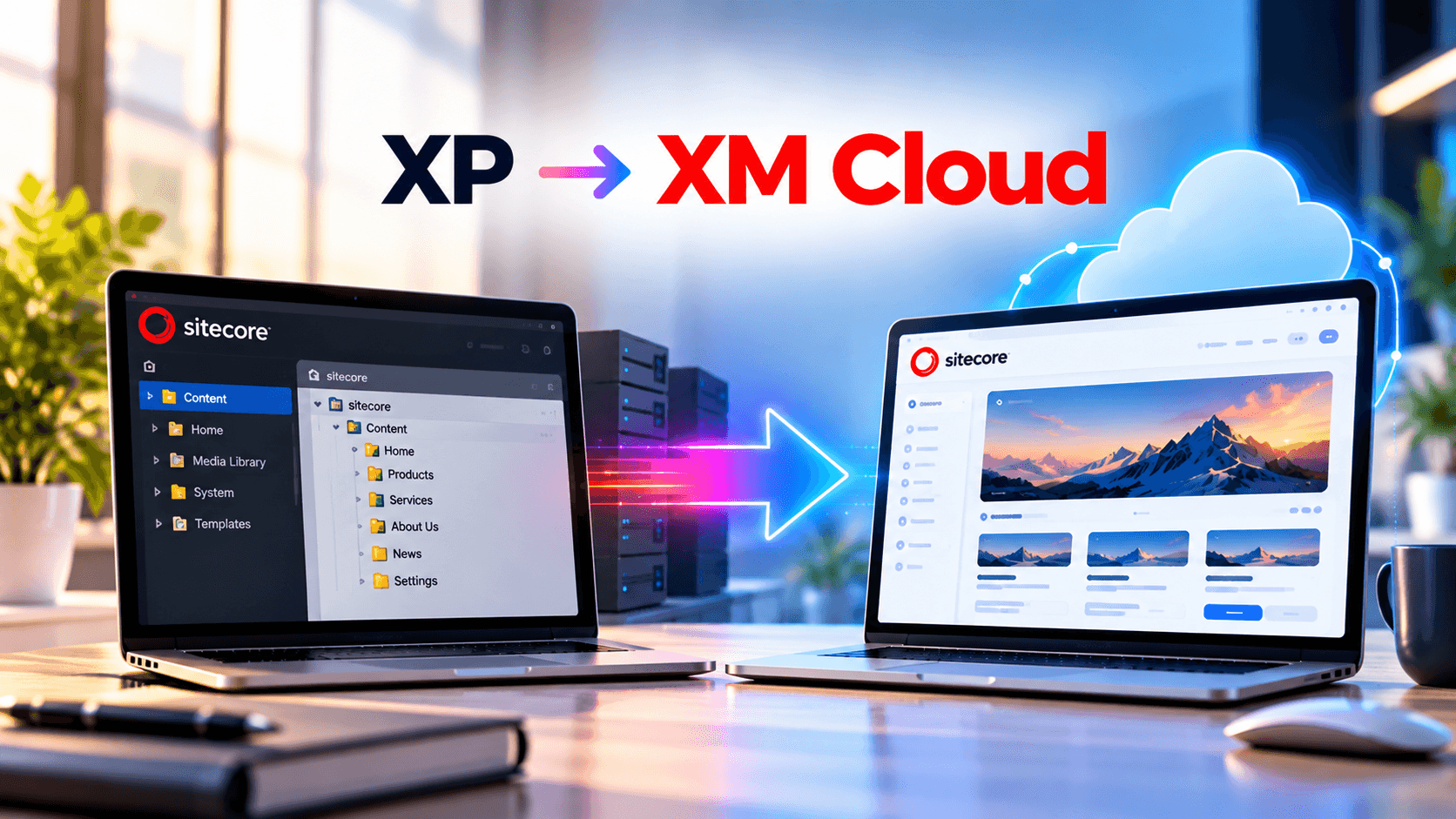
Sitecore XP vs SitecoreAI/XM Cloud Cost
Traditional and modern Sitecore architectures involve different cost structures.
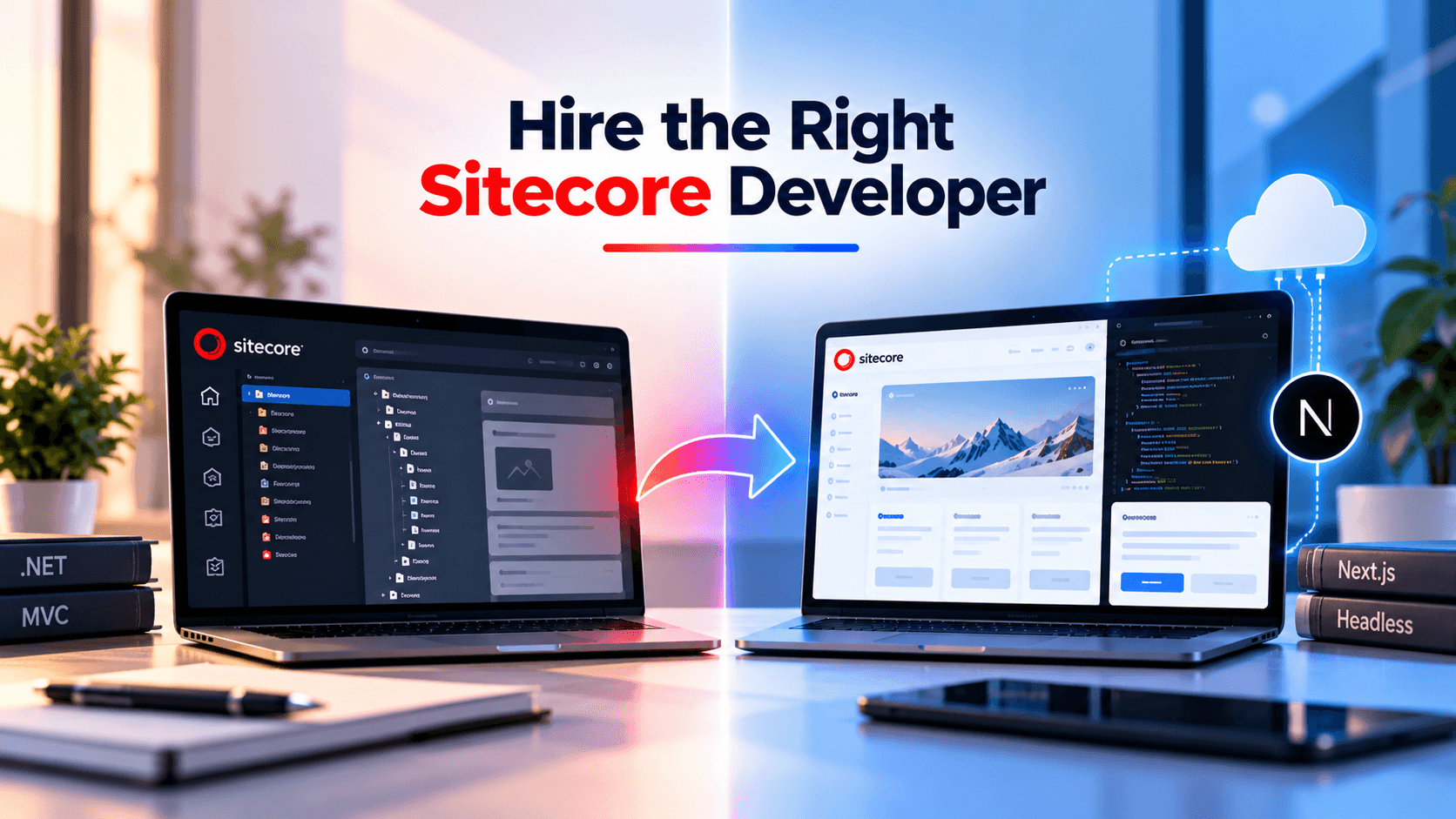
Existing Sitecore XP environments may require expertise across .NET, MVC, SXA, Helix, Solr, custom infrastructure and legacy integrations.
Modern SitecoreAI/XM Cloud projects increasingly involve headless architecture, Next.js, structured components, GraphQL, Experience Edge, cloud deployment and modern frontend engineering.
Migration can initially require greater investment because content, components, integrations and frontend architecture must be assessed and redesigned where necessary.
However, modernization may reduce infrastructure and maintenance responsibilities over time depending on the existing architecture.
Businesses evaluating this direction should review Sitecore XM Cloud Development Services before estimating only the migration effort.
Offshore Sitecore Development vs Local Hiring
Cost should not be evaluated only by comparing hourly rates.
A lower rate becomes expensive when developers lack Sitecore-specific knowledge, require extensive supervision or repeatedly introduce production issues.
An offshore model can work well when the delivery structure includes experienced developers, clear communication, code reviews, sprint visibility and defined responsibilities.
Businesses may begin with one developer and later add frontend, QA or DevOps capacity as workload grows.
For companies and digital agencies requiring scalable engineering without expanding permanent headcount, an Offshore Sitecore Development Partner can provide a more flexible model.
How Long Does Sitecore Development Take?
Timeline has a direct effect on development cost.
A focused bug fix or component may take days. A group of integrations or features may require several weeks. Enterprise migrations, headless rebuilds and major modernization initiatives can take several months.
Before estimating timeline, review:
- Current architecture
- Required components
- Integrations
- Content volume
- Design readiness
- Environments
- Deployment process
- Testing requirements
- Acceptance criteria
A short discovery or architecture assessment can often prevent larger cost overruns later.
Related Sitecore Services
Choose the service that matches your delivery requirement:
- Sitecore CMS Development Services - Complete Sitecore implementation, integration, modernization and development.
- Hire Sitecore Developers - Dedicated engineers for team extension and continuous delivery.
- Sitecore Development Support - Production support, upgrades, performance and ongoing maintenance.
- Sitecore XM Cloud Development Services - Headless development and cloud modernization.
- Offshore Sitecore Development Partner - Scalable Sitecore engineering capacity for enterprises and agencies.
Control Sitecore Cost Before Development Starts
The safest way to control Sitecore development cost is to define architecture, responsibilities and expected outcomes before scaling the team.
Murmu Software Infotech supports Sitecore XP, XM, SXA, SitecoreAI, XM Cloud, Next.js, integrations, migration, DevOps and long-term platform development through flexible hourly, dedicated, offshore and project-based engagement models.
Planning a Sitecore Project?
Start with a controlled scope. Validate the architecture, required skills, timeline and engagement model before committing to a larger delivery program.
Get Your Sitecore Development Estimate →
Frequently Asked Questions
How much do Sitecore development services cost?
Selected Sitecore development engagements can start around $18 per hour, while specialist dedicated developers typically range around $20–$40 per hour or from approximately $2,500 per month.
How much does a dedicated Sitecore developer cost?
Dedicated Sitecore developers can typically cost around $20–$40 per hour or start near $2,500 per month depending on seniority, architecture, responsibilities and engagement duration.
What factors affect Sitecore development cost?
Cost depends on Sitecore architecture, number of sites, components, frontend complexity, integrations, migration volume, personalization, DevOps, QA, performance requirements and delivery responsibility.
How much does Sitecore XM Cloud development cost?
XM Cloud project cost depends on existing architecture, migration scope, content volume, component redevelopment, Next.js frontend requirements, integrations, testing and deployment complexity.
Is hourly or fixed-price Sitecore development better?
Hourly development works well for changing backlogs and smaller tasks. Fixed or milestone-based pricing is better when deliverables, scope, responsibilities and acceptance criteria are clearly defined.
How long does a Sitecore development project take?
Small enhancements can take days or weeks, while integrations may require several weeks. Enterprise implementations, migrations and modernization programs can require several months.
Can global enterprises hire Sitecore developers from India?
Yes. Global enterprises can hire India-based Sitecore developers through hourly, monthly, dedicated, team-extension, offshore and project-based engagement models.
Is offshore Sitecore development cost effective?
Offshore development can reduce permanent hiring overhead and provide flexible specialist capacity when supported by experienced engineers, clear ownership, QA, DevOps and structured communication.
Does Sitecore project cost include post-launch support?
Not always. Development and ongoing support may be separate engagements. Support can cover troubleshooting, upgrades, deployments, integrations, performance improvements and continuous development.
How can enterprises reduce Sitecore development cost?
Control costs by defining architecture and scope early, prioritizing reusable components, identifying integration dependencies, choosing the right engagement model and validating delivery through a controlled initial phase.