Sanity CMS Development Services for UK Businesses and Digital Teams
In This Article
- Why UK Businesses Are Moving Toward Sanity CMS
- What Sanity CMS Development Services Should Include
- Structured Content Architecture
- Sanity + Next.js Website Development
- Give Content Teams Better Preview and Editing Workflows
- Migrating From WordPress, Wix or Webflow to Sanity
- Build Content for Search and AI Discovery
- Choosing a Sanity CMS Development Company in the UK Market
- Build AI-Ready Content
UK businesses are under increasing pressure to publish content faster, improve website performance and create consistent digital experiences across multiple channels. Traditional website builders and tightly coupled CMS platforms can work well initially, but they often become restrictive as content, integrations and digital teams grow.
This is where Sanity CMS development services can provide a more flexible approach.
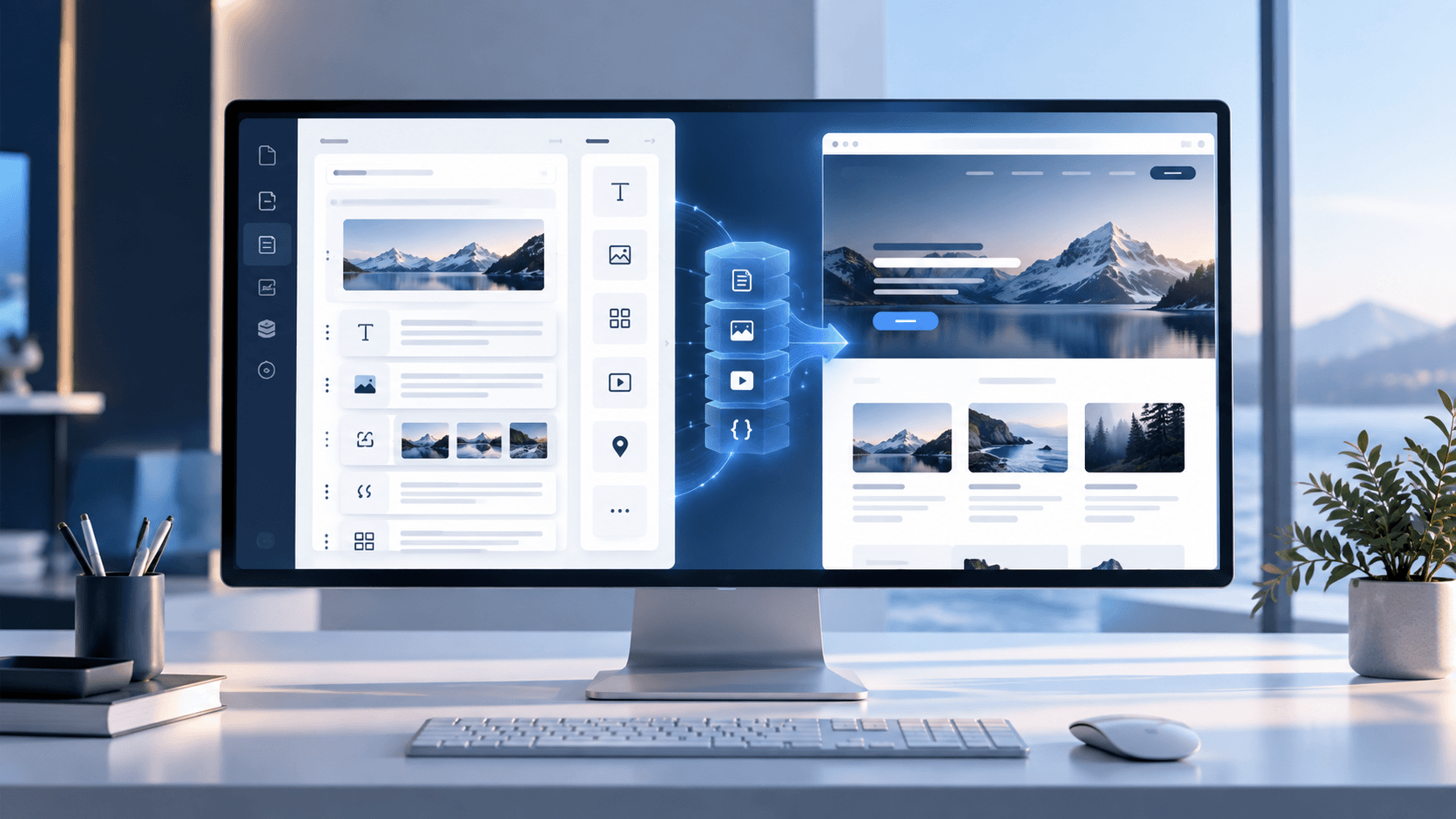
Sanity separates structured content from the frontend experience, allowing businesses to manage reusable content centrally while developers build high-performance websites, applications and digital products with modern technologies such as Next.js.
For organisations planning a new digital platform or moving away from WordPress, Wix, Webflow or a legacy CMS, a professionally designed Sanity architecture can create a stronger foundation for future growth.
Why UK Businesses Are Moving Toward Sanity CMS
Modern content teams rarely publish to a single website.
Content may need to appear across corporate websites, landing pages, applications, product experiences, regional websites, customer portals and AI-powered interfaces.
Sanity approaches this challenge through structured content. Instead of treating each webpage as one large block of content, information can be modelled into reusable fields, documents, references and components.
A service description, product specification, author profile or FAQ can therefore be reused across multiple experiences without teams repeatedly recreating the same information.
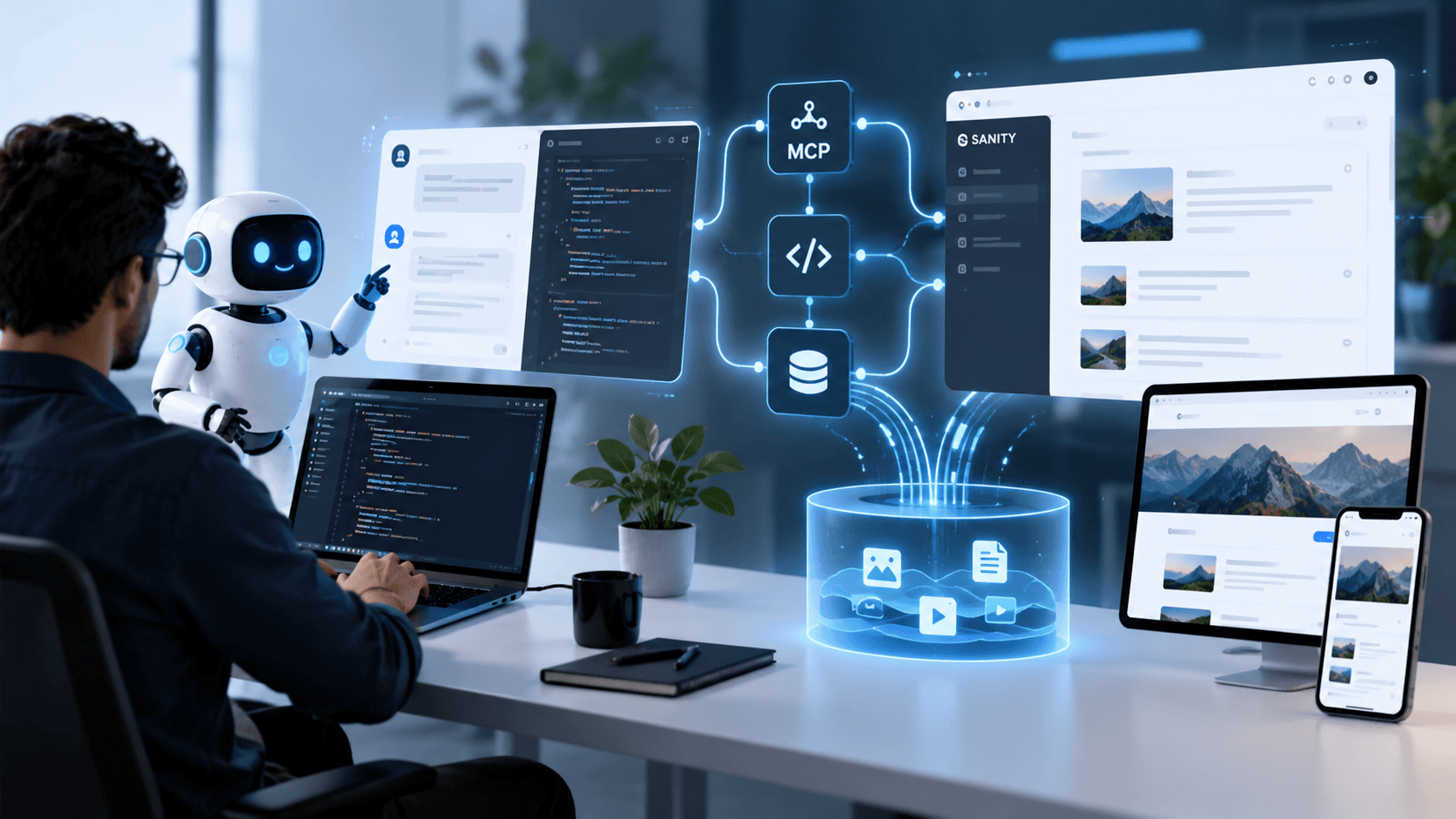
Sanity itself increasingly positions structured content as a reusable layer that can support websites, applications, multiple regions and AI-driven experiences.
A strong Sanity CMS development agency can turn that flexibility into a practical publishing system built around the organisation's actual workflows.
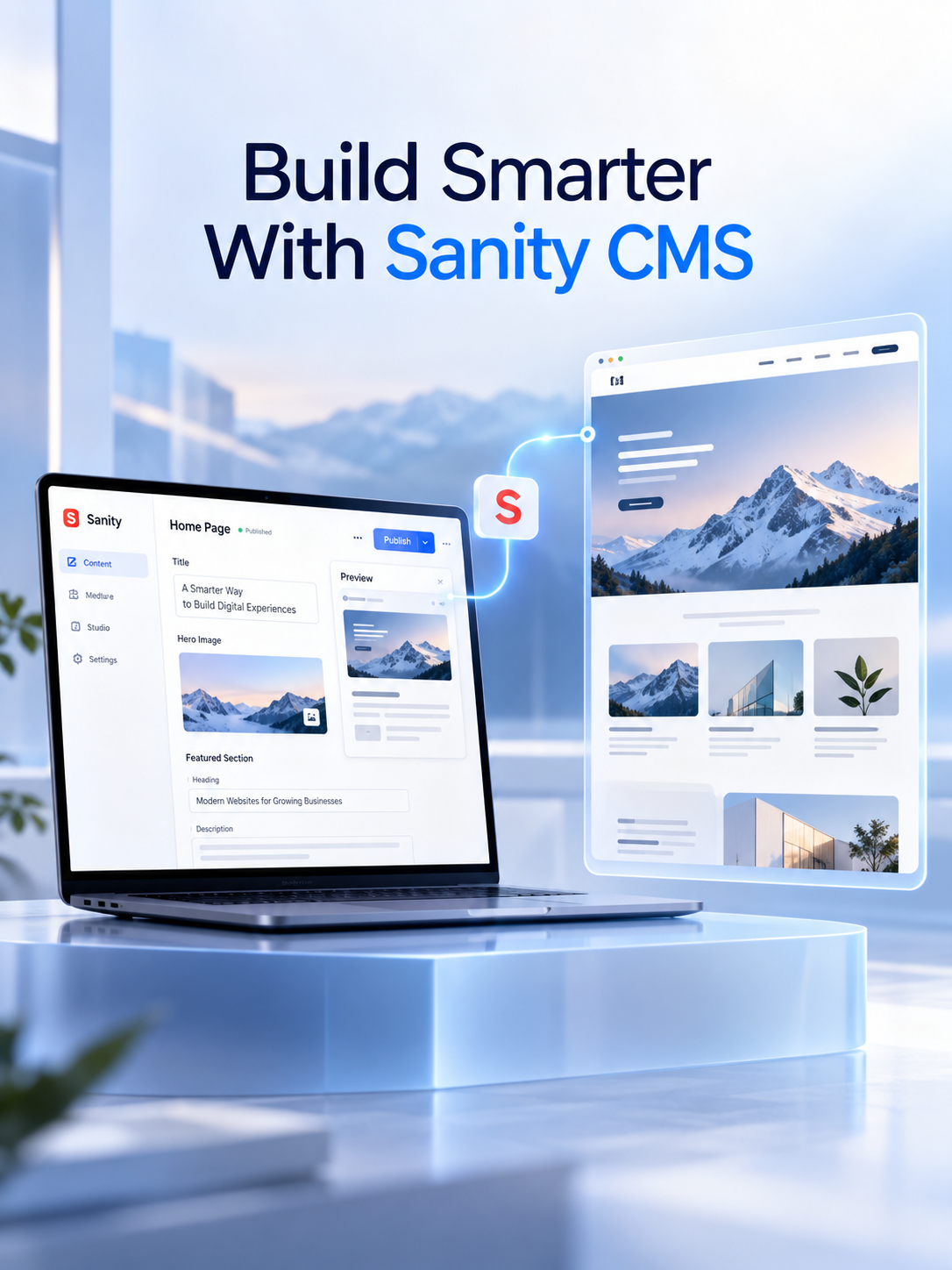
Build Smarter With Sanity CMS
Create a scalable Sanity platform with structured content, Next.js, visual editing, SEO-ready architecture and flexible publishing workflows.
What Sanity CMS Development Services Should Include
Successful Sanity implementation involves considerably more than installing Sanity Studio.
Structured Content Architecture
Content modelling is one of the most important stages.
Schemas should represent the actual information a business manages, including:
- service and product information
- landing pages
- blogs and resources
- reusable page sections
- authors and categories
- locations
- testimonials
- FAQs
- SEO metadata
- structured AI and answer-engine fields
Good architecture makes content easier to manage today while reducing redevelopment as new channels are introduced.
Businesses requiring a complete implementation can explore Sanity CMS development services covering content modelling, Studio development, integrations, migration and ongoing optimisation.
Build a Faster, Smarter Sanity CMS for Growth
Sanity + Next.js Website Development
Sanity becomes particularly powerful when combined with a modern frontend such as Next.js.
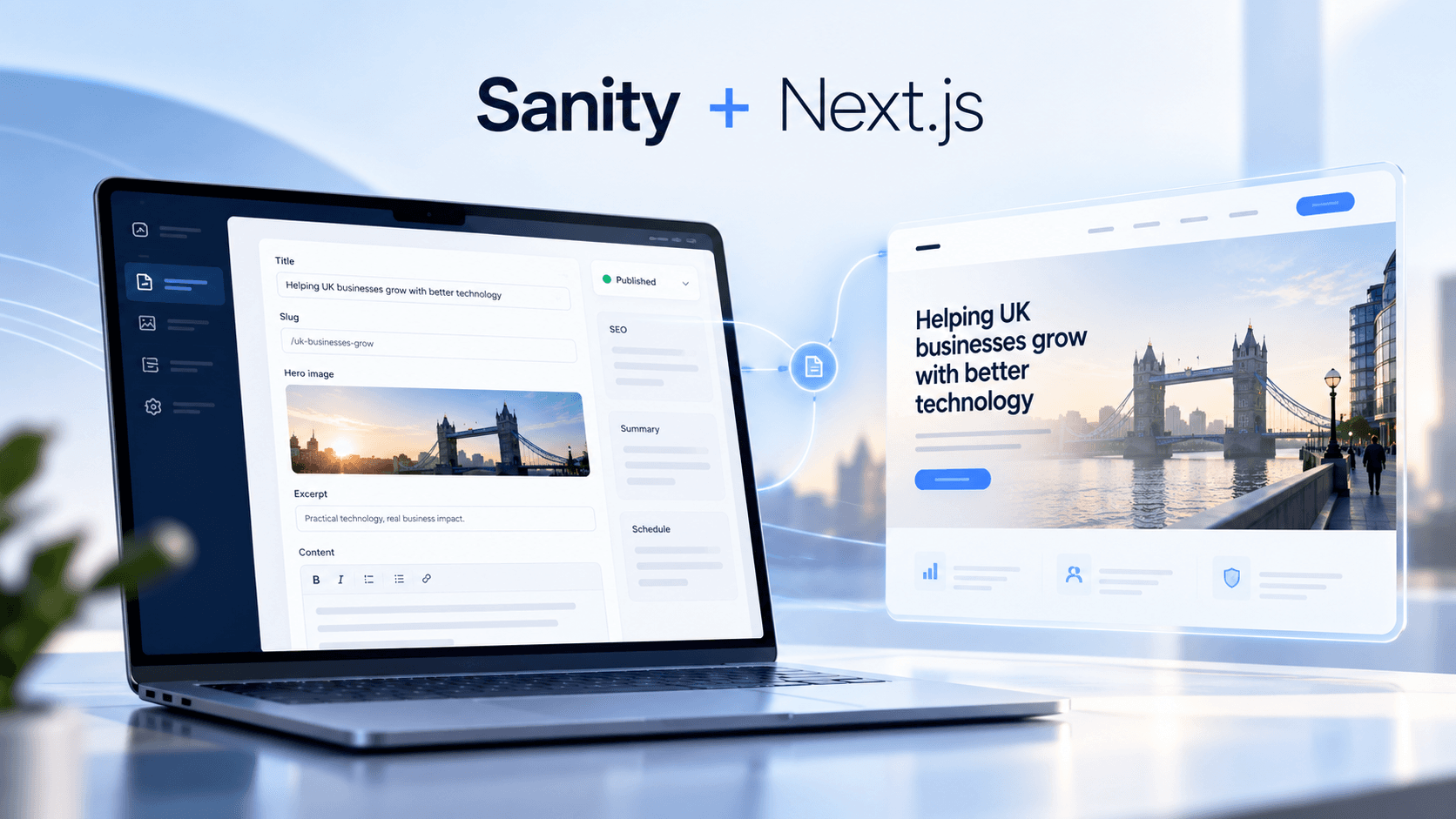
Sanity manages structured content while Next.js controls the presentation layer, routing, rendering, reusable UI components and website experience.
This architecture can give development teams greater control over technical SEO, performance and frontend design without limiting content editors to rigid website templates.
A Sanity + Next.js implementation may include:
- reusable React components
- Next.js App Router architecture
- GROQ content queries
- server-side and dynamic rendering
- caching and revalidation
- image optimisation
- structured metadata
- canonical URLs
- XML sitemap generation
- schema markup
- deployment architecture
For projects specifically requiring this stack, Sanity Next.js development services provide a more focused path from content architecture through frontend delivery.
Give Content Teams Better Preview and Editing Workflows
A headless CMS should not make publishing harder for marketers.
Sanity Visual Editing can connect Studio content with the actual frontend experience. Editors can preview draft content, see updates in context and click website elements to navigate back to the corresponding CMS fields. Sanity's Presentation Tool provides the embedded preview environment supporting these workflows.
Current Visual Editing capabilities can also support direct manipulation of structured page sections, including drag-and-drop workflows when the content architecture is designed appropriately.
For UK digital and marketing teams, this can reduce the gap between structured headless content management and the visual editing experience they expect from traditional website platforms.
Migrating From WordPress, Wix or Webflow to Sanity
Migration should not simply copy old pages into a new CMS.
It is an opportunity to redesign how content is structured.
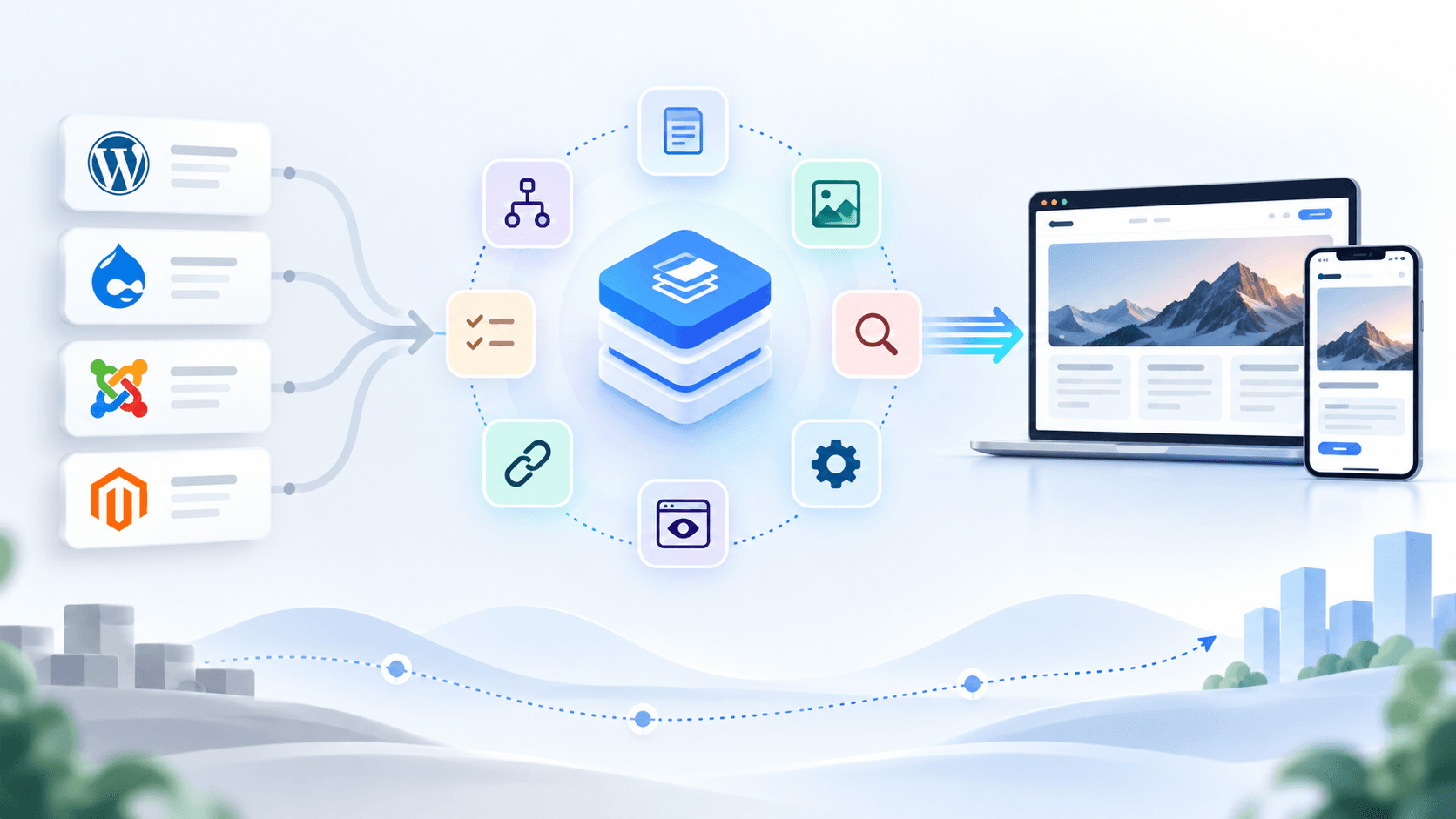
A typical Sanity migration can include:
- Existing content and URL audit
- Content-type and field mapping
- New Sanity schema design
- Data transformation and import
- Image and media migration
- SEO metadata preservation
- Redirect planning
- Next.js frontend implementation
- Content validation
- Controlled launch and post-launch monitoring
This is particularly important when migrating a website that already receives organic traffic. Existing URLs, metadata, internal links and high-value pages need to be considered during the transition.
For wider CMS transformation projects, headless CMS development services can help organisations assess architecture, migration and frontend options before committing to a platform.
Discuss Your Sanity CMS Project With Our Experts
Build Content for Search and AI Discovery
Modern CMS architecture should support more than traditional SEO.
Sanity schemas can be designed to store structured information such as:
- SEO titles and descriptions
- canonical URLs
- entities
- FAQs
- concise answers
- key facts
- summaries
- author information
- product or service attributes
- structured relationships
That makes important information easier to maintain consistently across pages and digital channels.
Sanity is also expanding AI-powered content operations. Its current platform can use structured content and governed permissions for AI-assisted activities such as finding content, analysing information, creating documents, updating fields, translating material and managing metadata.
The objective should not be simply to “add AI” to a website. It should be to create reliable, structured and reusable content that can support search engines, answer engines, websites, applications and future AI experiences from the same governed source.
Choosing a Sanity CMS Development Company in the UK Market
Before you hire Sanity CMS developers, evaluate more than hourly rates.
A capable development partner should understand the complete content platform:
Sanity architecture + editorial experience + Next.js frontend + migration + integrations + SEO + ongoing optimisation.
Ask potential teams how they approach schema design, Visual Editing, GROQ optimisation, preview environments, reusable components, redirects, analytics, CRM integrations, multilingual publishing and post-launch support.
The strongest Sanity implementation is not simply the one that launches successfully. It is the one that remains easy for editors to use and developers to extend as the organisation grows.
Build AI-Ready Content
Develop Sanity CMS platforms with structured content, Next.js, preview, SEO fields and scalable content workflows.
Whether you are replacing an ageing CMS, rebuilding a marketing website or creating a multi-channel content platform, Sanity provides a flexible foundation for modern digital teams.
Frequently Asked Questions
What are Sanity CMS development services?
Sanity CMS development services include content modelling, Sanity Studio customization, Next.js development, visual editing, preview configuration, API integrations, CMS migration, SEO setup and ongoing platform optimization.
Why should UK businesses use Sanity CMS?
Sanity CMS gives UK businesses a flexible structured content platform that can support websites, applications, campaigns and multiple digital channels while allowing developers to use modern frontend technologies such as Next.js.
How much does Sanity CMS development cost in the UK?
Sanity CMS development costs depend on project scope, content models, frontend complexity, migration requirements, integrations, visual editing and custom workflows. A simple marketing website typically requires less development than a multi-site or enterprise content platform.
Can Sanity CMS be used with Next.js?
Yes. Sanity CMS works well with Next.js for building fast, scalable and SEO-friendly websites. Sanity manages structured content while Next.js handles frontend rendering, routing, components and the digital experience.
Can I migrate WordPress, Wix or Webflow to Sanity CMS?
Yes. Content can be migrated from WordPress, Wix, Webflow and other platforms into Sanity. A proper migration should include content auditing, schema mapping, data transformation, media migration, redirects, metadata preservation and SEO validation.
Does Sanity CMS support visual editing and live preview?
Yes. Sanity supports visual editing and presentation workflows that allow content teams to preview draft content in context and connect website elements with their corresponding structured content fields.
Is Sanity CMS good for SEO?
Sanity can support strong technical and content SEO when schemas include structured metadata such as titles, descriptions, canonical URLs, structured data, image metadata, FAQs and internal relationships, while the frontend handles performance and rendering correctly.
Can Sanity CMS support multiple websites and markets?
Yes. Structured content in Sanity can be designed for multiple websites, brands, regions, languages and digital channels, making it suitable for businesses that need reusable content and scalable publishing workflows.
Can Sanity CMS support AI-ready content?
Yes. Structured Sanity content can be organised into summaries, facts, entities, FAQs and reusable content objects that are easier to expose consistently to websites, search engines, answer engines and AI-powered applications.
How do I choose a Sanity CMS development company in the UK market?
Look for experience in Sanity schema architecture, Sanity Studio, Next.js, GROQ, visual editing, migration, SEO, API integrations and ongoing support. The development team should understand both technical implementation and editorial workflows.