D2C eCommerce Platform Development for Retail Brands Moving Beyond Marketplaces
In This Article
- What Is a D2C Ecommerce Platform?
- 1. Own the Customer Relationship
- 2. Build Repeat Sales Into the Platform
- 3. Control Your Catalogue and Brand Experience
- 4. Control Payments, Offers and Commerce Rules
- 5. Connect Ecommerce With Inventory and Fulfilment
- 6. Build a Single Customer and Commerce View
- 7. Marketplaces Can Still Be Part of the Strategy
- What Should a Custom D2C Platform Include?
- Move From Marketplace Sales to Brand-Owned Growth
- Build D2C Platform
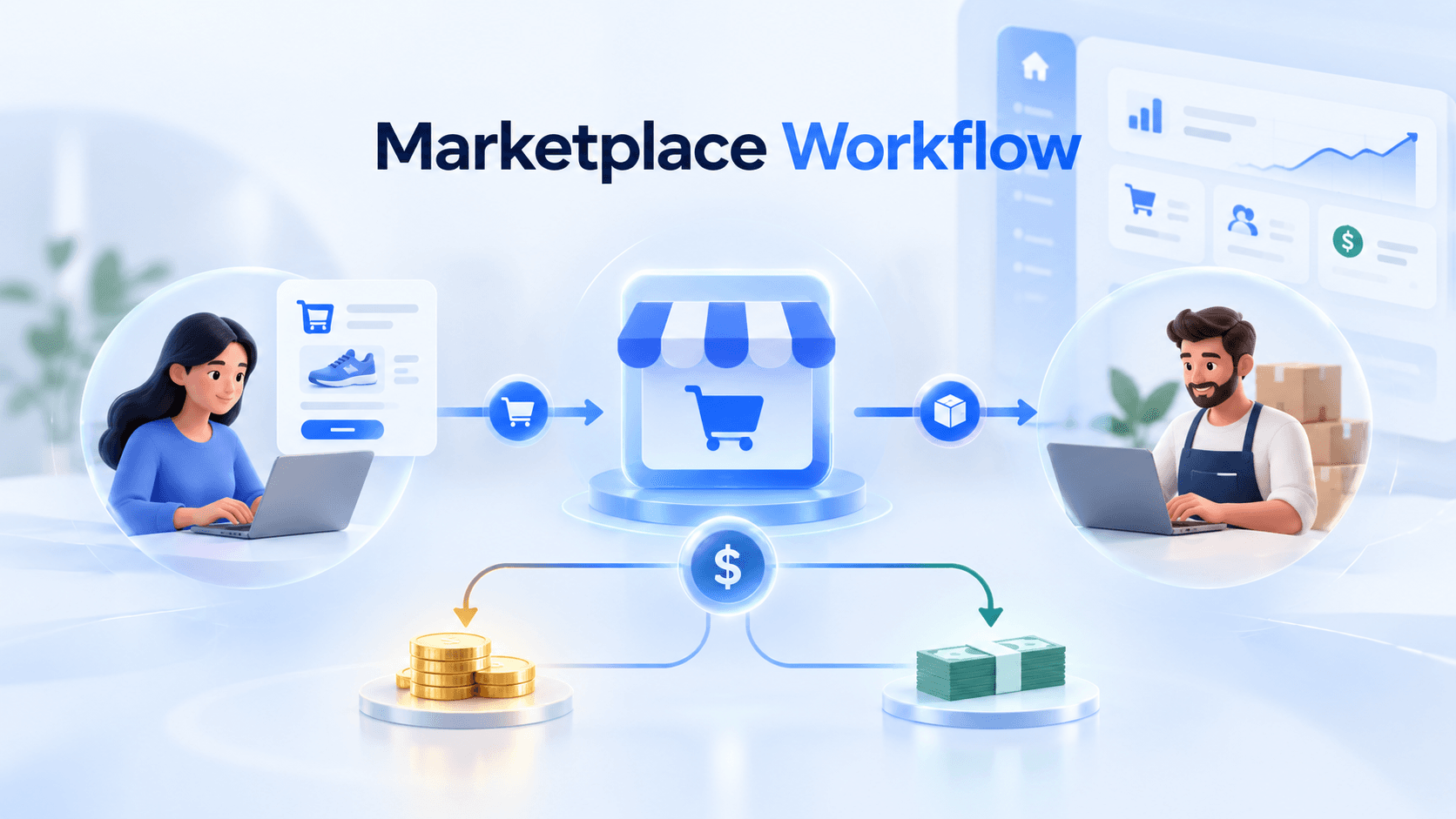
Marketplaces can help a retail brand reach out to new customers fast.
They deliver traffic, established checkout infrastructure and access to customers looking to purchase.
However, there is a strategic risk in relying purely on marketplaces for selling your products as a marketplace controls the environment around your brand, you compete with other sellers on the same platform, have a harder time building relationships with your customers, have less control over pricing and turn first-time buyers into long-term customers more difficultly than a privately-owned website.
That is why many growing retail and product brands are choosing to invest in their own D2C ecommerce platform.
This is not to say that they will stop using marketplaces altogether, but rather to build a channel that the brand owns.
What Is a D2C Ecommerce Platform?
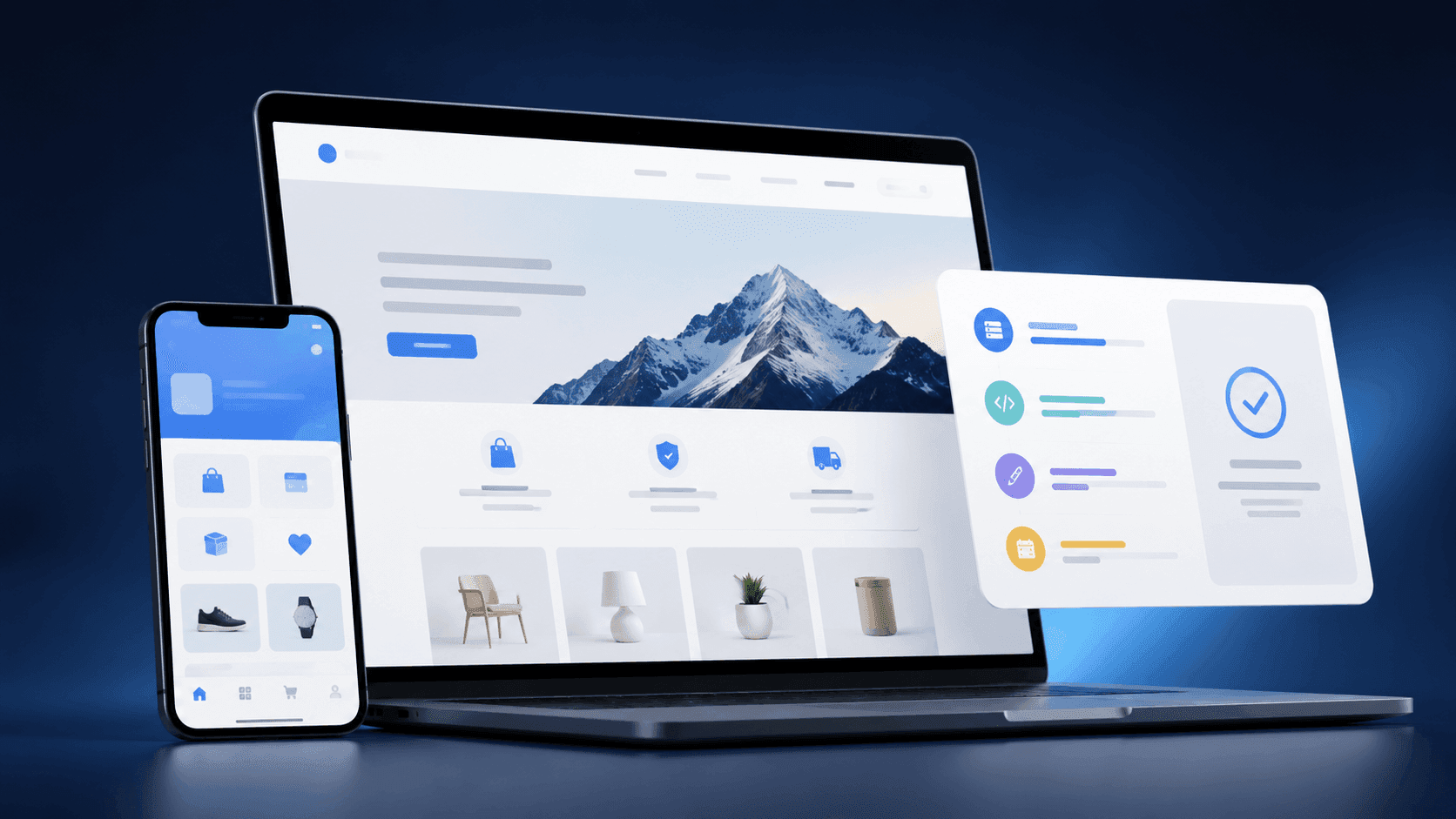
A direct-to-consumer platform allows a brand to sell products directly through its own website, mobile experience or digital commerce ecosystem.
Instead of relying entirely on third-party selling platforms, the brand controls:
Catalogue → Customer Experience → Checkout → Payment → Order → CRM → Retention
A well-designed ecommerce web and app platform can bring these functions together while connecting payments, inventory, logistics, marketing and customer data.
For a retail brand, that changes ecommerce from simply another sales channel into an owned customer-growth system.
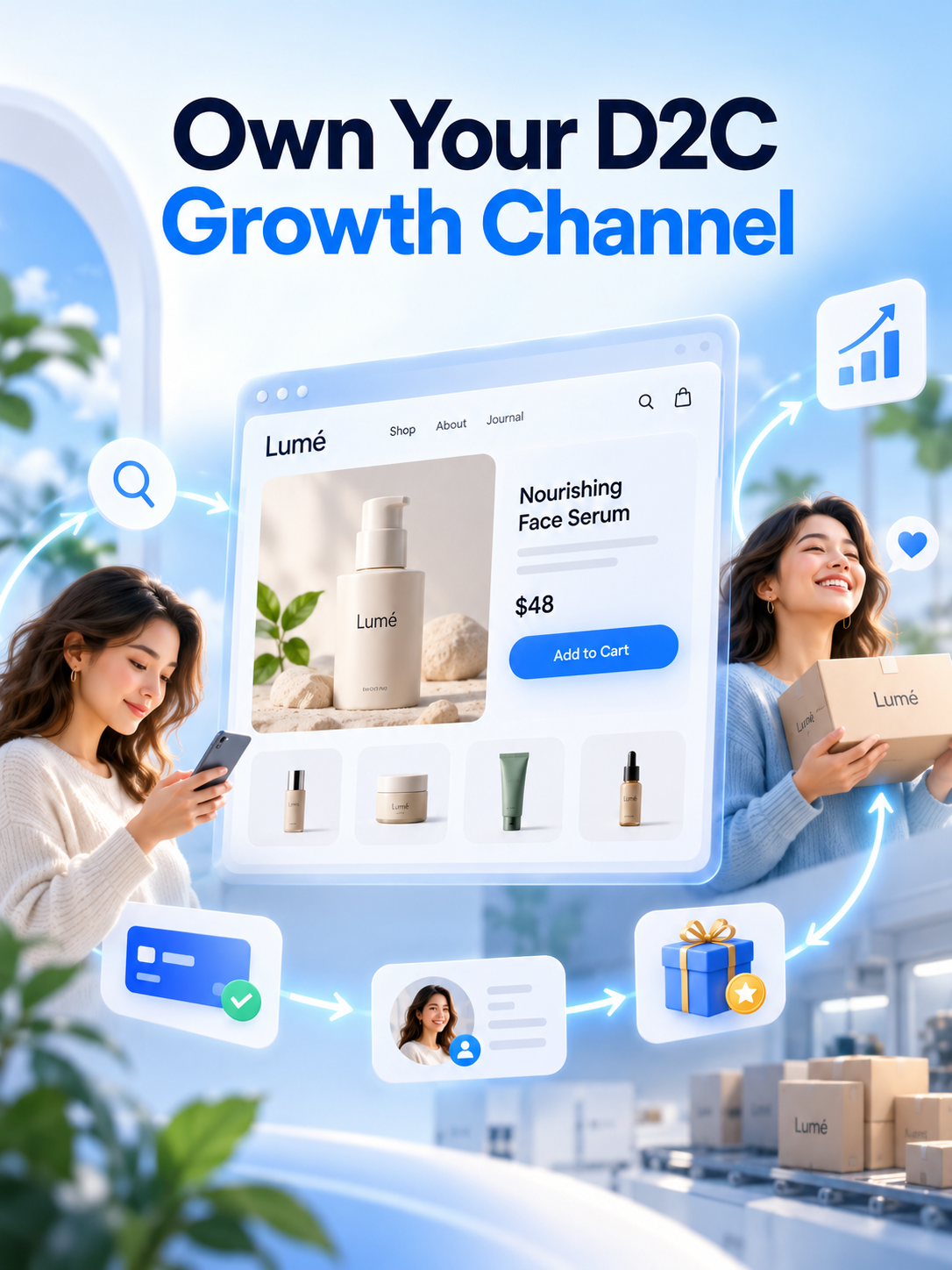
Own Your D2C Growth Channel
Build a branded commerce platform with direct sales, CRM, loyalty, payments, inventory, and repeat-purchase journeys under your control.
1. Own the Customer Relationship
One of the biggest advantages of a D2C model is direct access to customer interactions.
When customers purchase through your own platform, you can with appropriate consent and privacy controls understand signals such as:
- Products viewed
- Products purchased
- Order frequency
- Average order value
- Cart behaviour
- Repeat purchases
- Product preferences
- Campaign response
- Location and delivery patterns
That first-party relationship can support better segmentation, personalization and retention.
That shift from transaction to relationship is one of the most important differences between marketplace dependence and D2C growth.
2. Build Repeat Sales Into the Platform
Acquiring a customer once is only the beginning.
A strong direct to consumer platform should help turn first-time buyers into repeat customers.
That can involve:
CRM segmentation → Personalized communication → Relevant offer → Repeat purchase → Loyalty
Useful retention capabilities include:
- Customer profiles
- Purchase history
- Personalized recommendations
- Coupon rules
- Loyalty points
- Store credits
- Referral programs
- Abandoned-cart workflows
- Reorder reminders
- Email, SMS or WhatsApp integrations
- Customer-specific offers
A D2C platform therefore should not be designed as only a digital catalogue.
It should be designed around customer lifetime value.
This D2C brand commerce platform approach explores how storefront, customer experience and backend commerce capabilities can support direct brand growth.
Build a D2C Platform That Owns Customer Relationships
3. Control Your Catalogue and Brand Experience
On a marketplace, your product page must fit into somebody else's structure.
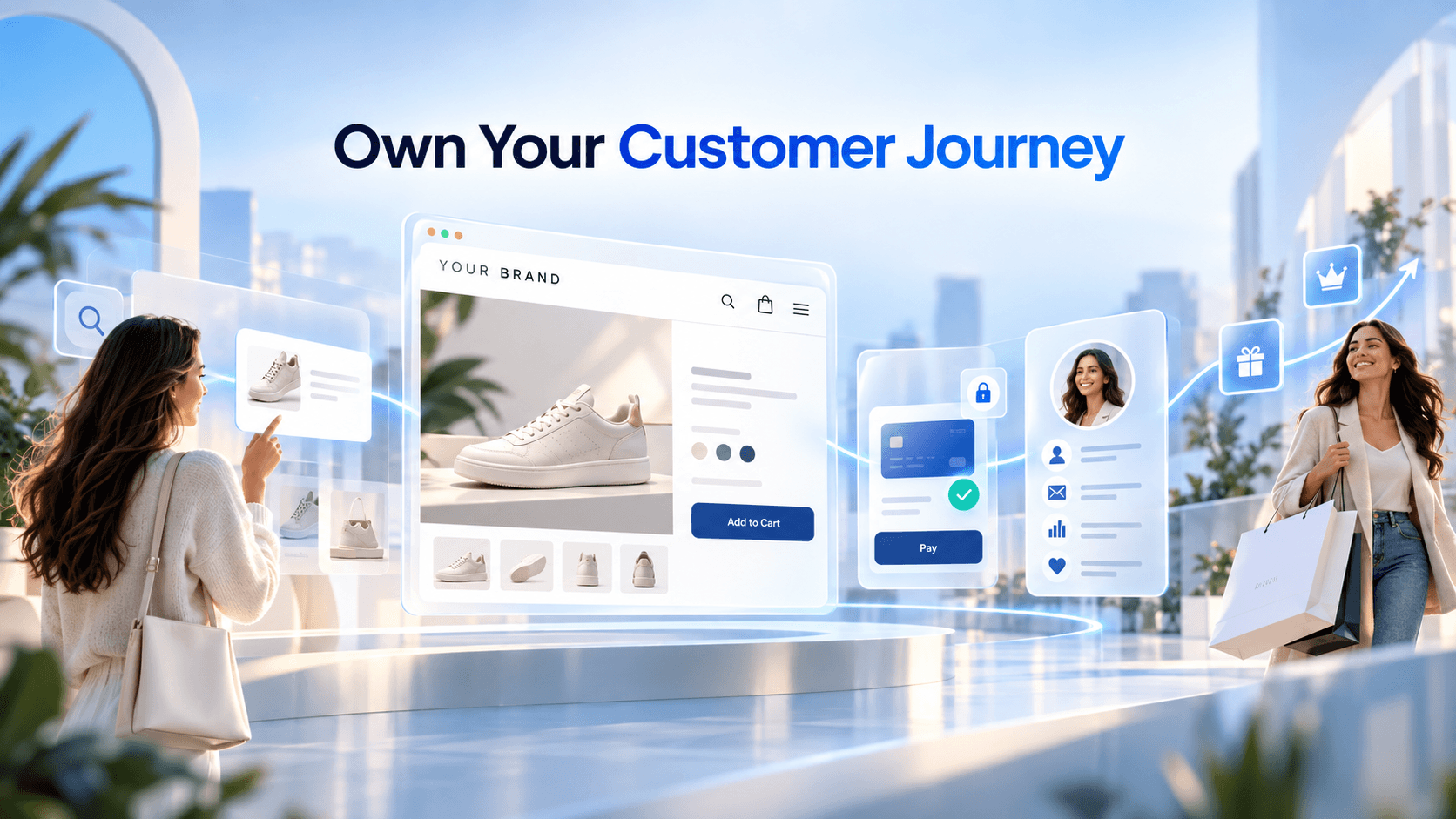
On your own platform, the entire buy cycle can be shaped in your brand's image.
You control
Homepage → Collections → Product Story → Bundles → Recommendations → Checkout → Packaging → Post-Purchase Experience
That gives more flexibility to brands that want to focus on educating the customer, telling a story, creating an aspirational perception or providing a different buying experience around a product.
Skincare brands can build routines, not SKUs
Fashion brands can sell looks,
food brands can build out bundles by use-case,
consumer electronics brands can upsell accessories.
Your ecommerce platform becomes part of the product experience, not just a checkout.
4. Control Payments, Offers and Commerce Rules
Your own D2C platform also provides greater control over transaction logic.
Depending on the market, you may support:
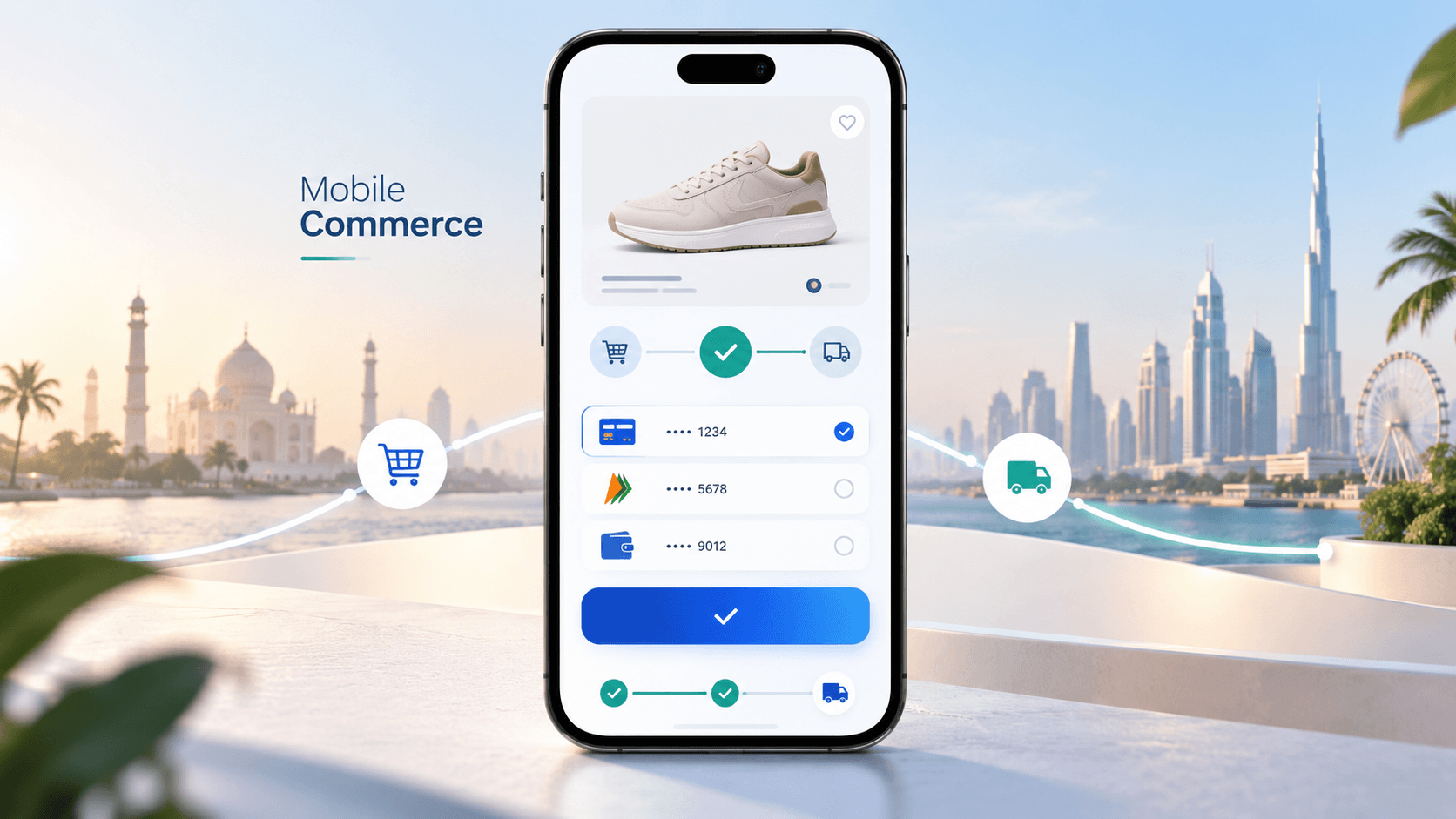
- Cards
- UPI
- Net banking
- Wallets
- Cash on delivery
- Buy-now-pay-later integrations
- Coupons
- Gift cards
- Store credits
More importantly, your team can design promotional rules around your own economics.
Instead of depending only on marketplace-wide discount campaigns, you can create:
Bundles, volume discounts, loyalty rewards, customer-specific offers and subscription pricing.
For products with predictable repurchase cycles, a subscription commerce platform can introduce recurring orders, scheduled deliveries and subscription-based customer relationships.
5. Connect Ecommerce With Inventory and Fulfilment
A beautiful D2C storefront is not enough.
Once orders increase, backend operations matter just as much as frontend design.
The platform may need to connect:
Website → Payment → Inventory → Warehouse → Courier → Delivery → Returns
Retail brands operating multiple stores or warehouses may also need centralized inventory visibility.
For example, your system should be able to answer:
Where is the stock?
Which warehouse should fulfil the order?
Has payment been confirmed?
Has the courier collected it?
Has the customer received it?
Was the product returned?
This is where connecting ecommerce with retail billing, ERP and inventory systems can create stronger operational visibility.
6. Build a Single Customer and Commerce View
As a brand grows, disconnected systems become expensive,
Orders get stuck in ecommerce,
customers in CRM,
inventory in ERP,
campaigns trapped in marketing tools
returns in another system
A scalable D2C architecture will unify the critical ecosystems through integrations, APIs, and synchronized data, and create a single source of truth for
customer, product, inventory, order, payment, delivery, and marketing data
This unified view becomes even more critical when multichannel retailers begin adding mobile commerce, stores, marketplaces, wholesale, or b2b sales.
A breakdown of what a scalable SaaS-powered d2c and b2b ecommerce platform needs to support can help brands prepare for growth beyond their initial storefront.
Plan Your Direct Commerce Growth With Our Experts
7. Marketplaces Can Still Be Part of the Strategy
Moving beyond marketplace dependence does not mean removing marketplaces from your business.
Marketplaces can remain valuable for:
Discovery, reach, new geographies and high-intent marketplace traffic.
Your own D2C channel can focus on something different:
Brand ownership, direct customer relationships, retention, loyalty and repeat purchases.
A mature retail strategy might therefore look like:
Marketplace = Reach
D2C Website/App = Relationship
Retail Stores = Experience
CRM = Retention
ERP/Inventory = Operations
The advantage comes from connecting these channels rather than treating them as isolated businesses.
What Should a Custom D2C Platform Include?
For most growing retail brands, the core platform should support:
Customer Experience: search, categories, product pages, mobile-first navigation, recommendations and checkout.
Commerce: catalogue, variants, pricing, promotions, bundles, payments and order management.
Customer Growth: CRM, loyalty, reviews, referrals, personalization and marketing integrations.
Operations: inventory, warehousing, shipping, returns and reporting.
Management: dashboards for orders, products, customers, campaigns, revenue and retention.
The exact architecture should follow your products, order volume, fulfilment model and growth strategy.
Move From Marketplace Sales to Brand-Owned Growth
Marketplaces can generate transactions.
But an owned D2C platform can help build something more valuable:
A direct relationship with the customer.
When your brand controls the catalogue, customer journey, payments, CRM, loyalty, repeat-purchase strategy and commerce data, ecommerce becomes more than another sales outlet.
It becomes infrastructure for long-term brand growth.
If your retail brand is ready to reduce marketplace dependence and build a scalable owned commerce channel, start with the workflows that matter most: discovery, purchase, fulfilment, retention and repeat sales.
Build D2C Platform
Create a custom D2C ecommerce platform connecting your branded storefront, catalogue, direct payments, CRM, loyalty, inventory, fulfilment and customer analytics.
CTA: Build D2C Platform
Frequently Asked Questions
What is a D2C ecommerce platform?
A D2C ecommerce platform allows a brand to sell products directly to customers through its own website or app while controlling the catalogue, checkout, payments, customer data, CRM, loyalty, fulfilment and post-purchase experience.
Why should retail brands build their own D2C ecommerce platform?
An owned D2C platform gives retail brands greater control over customer relationships, first-party data, pricing, promotions, product presentation, payments, loyalty programs and repeat-purchase strategies instead of depending entirely on third-party marketplaces.
What features should a D2C ecommerce platform include?
A D2C ecommerce platform should typically include product catalogue management, search, product pages, checkout, payments, customer accounts, CRM integration, promotions, loyalty, inventory, order management, shipping, returns, analytics and marketing integrations.
What is the difference between D2C ecommerce and marketplace selling?
Marketplace selling gives brands access to an existing audience but operates within the marketplace's customer experience and rules. D2C ecommerce lets the brand control its own storefront, customer journey, data, pricing, payments, retention and brand experience.
Should a D2C brand stop selling on marketplaces?
Not necessarily. Marketplaces can remain useful for reach and customer acquisition, while an owned D2C website or app can focus on direct customer relationships, loyalty, repeat purchases and stronger brand control.
How does CRM help a D2C ecommerce business?
CRM helps a D2C brand organize customer profiles, purchase history, preferences and engagement data so it can create better customer segments, personalized communication, retention campaigns and repeat-purchase journeys.
How can a D2C ecommerce platform increase repeat purchases?
A D2C platform can increase repeat purchases through loyalty programs, personalized recommendations, reorder reminders, subscriptions, referrals, customer-specific offers, abandoned-cart recovery and targeted email, SMS or WhatsApp communication.
Can a D2C ecommerce platform integrate with inventory and ERP software?
Yes. A custom D2C platform can integrate with inventory, ERP, warehouse, billing and order-management systems to synchronize products, stock availability, orders, fulfilment, returns and operational reporting.
When does a retail brand need a custom D2C ecommerce platform?
A custom D2C ecommerce platform becomes useful when a brand requires unique product journeys, complex pricing, loyalty, subscriptions, multiple warehouses, ERP integrations, advanced customer segmentation or workflows that standard ecommerce tools cannot handle efficiently.
How do you build a scalable D2C ecommerce platform?
Start with catalogue, customer, checkout, payment, inventory, order and fulfilment workflows. Use modular APIs and structured commerce data so CRM, loyalty, mobile apps, warehouses, marketplaces, subscriptions and new sales channels can be added as the brand grows.