Schedule a Free 30-Minute Digital Transformation & Technology Consultation
Murmu Software Infotech Murmu Software Infotech is a global software development company offering custom software, website development, mobile apps, AI solutions, SaaS platforms, and enterprise IT systems for healthcare, manufacturing, retail, and startups.
Support
+91-9110176498 | +91-9102038933 contactus@murmusoftwareinfotech.com Subscribe to our Newsletter
Development / Cloud Computing
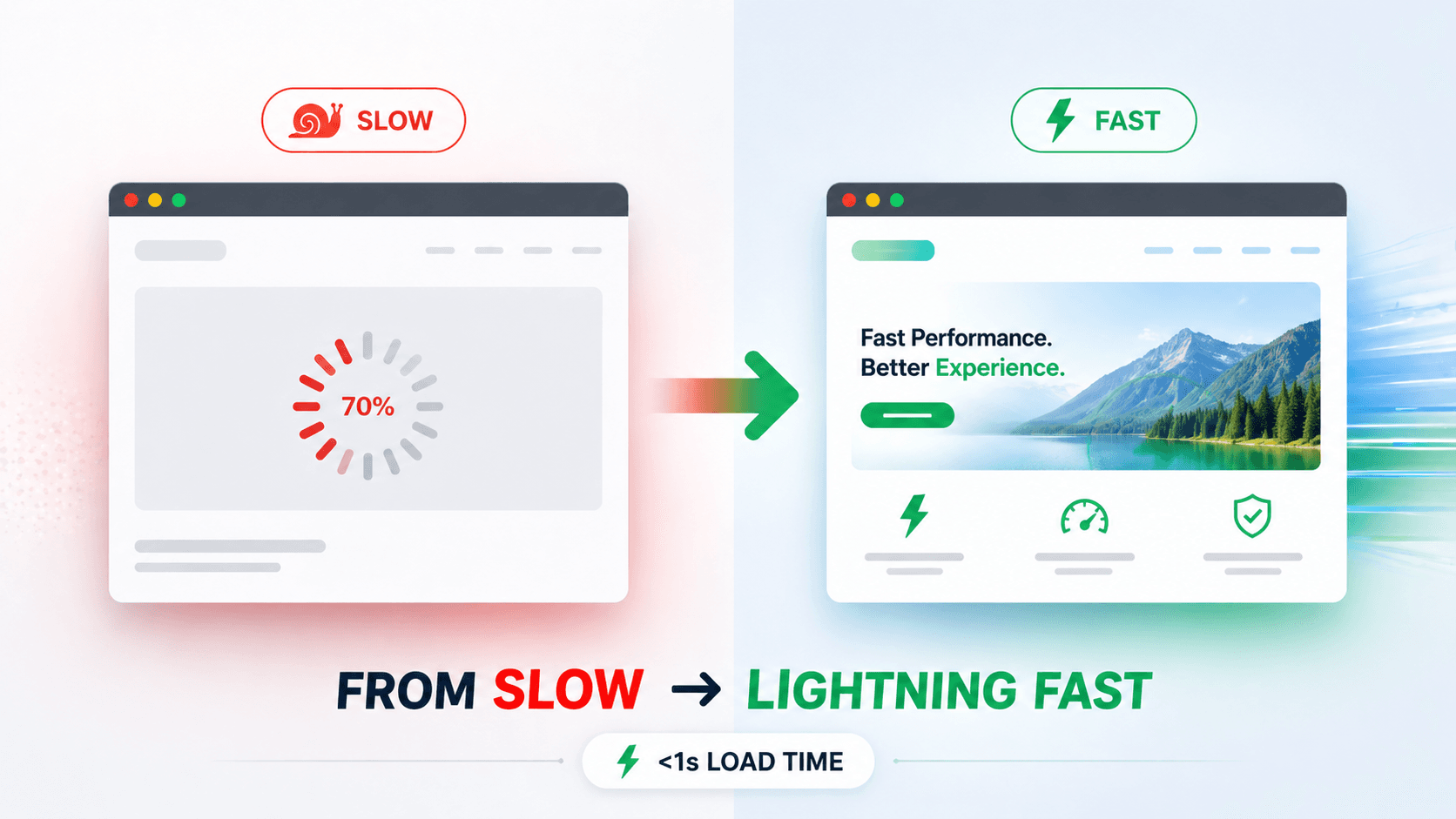
From Slow to Lightning Fast: WordPress Headless + Next.js SEO Optimization Strategy for 2026 P
Prem Murmu April 30, 2026 2 Min Read Problem: Slow Websites Are Silently Killing Your Growth In today’s digital economy, your website is not just a marketing asset—it’s a revenue engine .
Yet many enterprise organizations still rely on traditional WordPress setups that suffer from:
Slow page load times (3–5 seconds) Poor Lighthouse and Core Web Vitals scores Plugin-heavy architecture causing instability Declining SEO performance despite increased spend For leadership teams—CEOs, CTOs, Managing Directors—this creates a serious business problem:
Lost conversions Reduced ROI on digital investments Higher customer acquisition costs Lower search visibility The harsh reality:If your website is slow, your competitors are already winning your customers.
Why It Matters: Performance Directly Impacts Revenue & Rankings Google’s ranking algorithm in 2026 prioritizes:
Core Web Vitals Page Experience Mobile-first performance A delay of even can reduce conversions by up to 20%.
1 second
Higher bounce rates Lower engagement Poor brand perception Increased dependency on paid ads
Boost Rankings, Speed & Conversions—All in One Strategy
Solution: WordPress Headless + Next.js Architecture To solve this, forward-thinking enterprises are adopting:
This decoupled architecture allows you to:
Deliver content via APIs Render ultra-fast frontends Scale globally with ease Improve SEO performance dramatically
Core Strategy to Achieve Lightning Speed
1. Headless WordPress Performance Optimization Instead of rendering pages inside WordPress:
Use REST API or GraphQL Remove heavy themes and plugin dependencies Focus WordPress purely on content management Outcome: Reduced server load + faster response time
2. Next.js Turbo Speed Website Optimization Static Site Generation (SSG) Server-Side Rendering (SSR) Incremental Static Regeneration (ISR) This hybrid approach ensures:
Sub-1 second load times Faster Time to First Byte (TTFB) Seamless scalability
3. Improve Core Web Vitals (Critical for Ranking) LCP (Load speed) CLS (Visual stability) INP (User interaction responsiveness) Automatic image optimization Code splitting Lazy loading
4. WordPress API Caching Best Practices Your backend must be optimized:
Implement Redis or object caching Cache API responses Reduce database queries
5. Advanced SEO Optimization Strategy Server-side rendering for crawlability Dynamic meta tags Structured data implementation XML sitemap automation Faster indexing Higher visibility Improved click-through rates
6. Edge Caching & Global Delivery Deploy your frontend using edge networks:
Serve content closer to users Reduce latency worldwide Consistent global performance Better user experience Stronger SEO signals
Comparison: Traditional WordPress vs Headless WordPress + Next.js Factor Traditional WordPress Headless + Next.js Speed Moderate Ultra-fast SEO Performance Good Excellent Scalability Limited Enterprise-grade Security Moderate Strong Flexibility Low High
Why Choose an Expert Partner While the architecture is powerful, execution defines success.
Most organizations struggle with:
Incorrect API structure Poor caching strategies SEO misalignment Deployment inefficiencies An expert partner ensures:
Optimized architecture design Seamless integration Performance tuning Long-term scalability
Final Insight Ranking higher Converting better Scaling faster WordPress + Next.js SEO Optimization Guide 2026 (Fastest Setup)