Enterprise CMS for Healthcare
In This Article
- Best Healthcare Content Management Systems for Hospitals and Pharma
- What Is an Enterprise Healthcare CMS?
- Why Healthcare and Pharma Need Specialised CMS Capabilities
- Regulated content governance
- Structured and reusable healthcare content
- Multisite and multilingual management
- Security and privacy controls
- 1. SitecoreAI and XM Cloud
- 2. Sanity
- 3. Umbraco CMS
- 4. Optimizely
- 5. Contentful
- 6. Strapi CMS
- 1. Content complexity
- 2. Governance
- 3. Digital channels
- 4. Integration requirements
- 5. Operating model
- 6. Total cost of ownership
- Planning a Healthcare CMS Implementation or Migration?
Best Healthcare Content Management Systems for Hospitals and Pharma
Healthcare organisations manage much more than standard marketing content. Their digital ecosystems may include doctor profiles, treatment information, hospital locations, patient education, clinical resources, medical-device content, pharmaceutical information, regulatory disclosures and multilingual campaigns.
Managing this content through a basic website CMS can lead to duplicated information, slow approvals, inconsistent medical content and heavy dependence on developers.
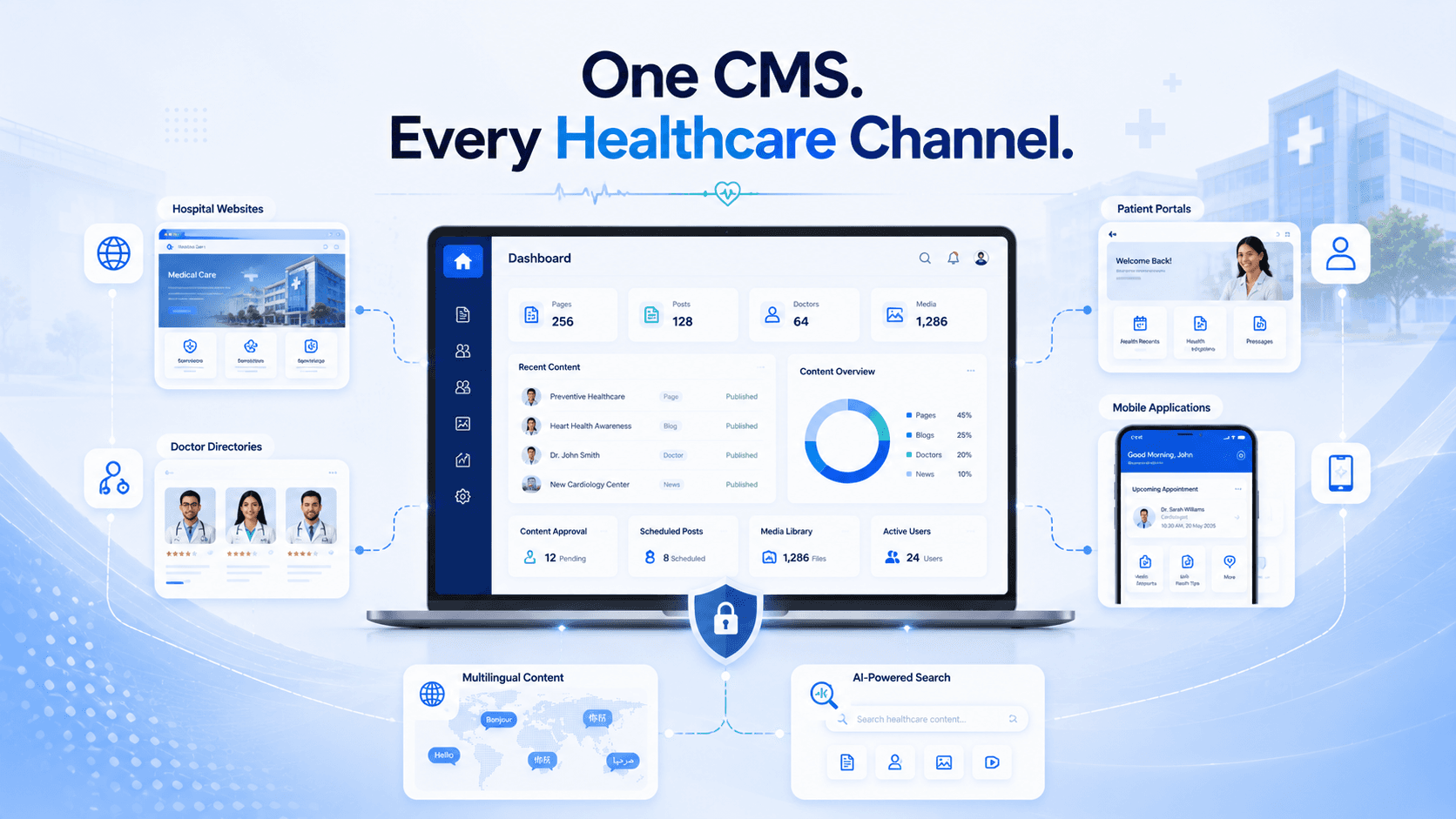
A modern enterprise CMS for healthcare provides structured content, multisite management, editorial governance, approval workflows and secure integrations across websites, mobile applications, patient portals and digital channels.
For hospitals, pharmaceutical companies, healthcare networks, insurers and digital health businesses, the best healthcare CMS is not simply the platform with the easiest editor. It is the platform that supports regulated content operations, complex patient journeys, multiple brands, localisation and long-term digital growth.
What Is an Enterprise Healthcare CMS?
An enterprise healthcare content management system is a platform used to create, review, manage, approve, publish and distribute healthcare content across large digital ecosystems.
Unlike a basic website CMS, an enterprise healthcare CMS solution may support:
- Multiple hospitals, brands, regions and languages
- Medical, legal, regulatory and marketing approvals
- Structured doctor, treatment and medicine content
- Role-based access and content permissions
- Version history and publishing workflows
- Websites, mobile apps, portals and digital displays
- Healthcare search and personalisation
- CRM, appointment and provider integrations
- Digital asset and document management
- AI-assisted content operations
A small clinic may require a manageable CMS for one website, while a healthcare enterprise may need multisite governance, structured APIs, reusable components, multilingual workflows and integration with multiple systems.
Transform Healthcare Content with the Right Enterprise CMS Platform
Why Healthcare and Pharma Need Specialised CMS Capabilities
Regulated content governance
Healthcare and pharmaceutical content often requires review by clinical, legal, regulatory, marketing and localisation teams.
The CMS should make it easy to identify:
- Who created or changed the content
- Which version received approval
- Who reviewed and published it
- When the update went live
- Which market or website received it
- When the content must be reviewed again
Structured workflows and content histories reduce dependence on spreadsheets, email approvals and manually shared documents.
Structured and reusable healthcare content
Doctor information, treatment descriptions, medicine details, hospital locations and FAQs should not be recreated separately for every page or channel.
A structured content model allows organisations to update information once and reuse it across:
- Hospital websites
- Doctor directories
- Mobile applications
- Patient portals
- Provider search tools
- AI assistants
- Digital displays
This improves consistency and reduces the risk of outdated information appearing across different channels.
Multisite and multilingual management
Large healthcare groups may operate multiple hospitals, clinics, brands and regional websites.
An enterprise CMS should allow central teams to maintain brand, clinical and compliance standards while authorised local teams manage location-specific doctors, services, campaigns and contact information.
It should also support translations, regional content variations and market-specific approval processes.
Security and privacy controls
Healthcare CMS implementations may require:
- Single sign-on
- Role-based permissions
- Secure hosting
- Encryption
- Audit records
- Consent management
- Restricted integrations
- Backup and recovery controls
A CMS should not automatically be considered compliant simply because it offers security features. Compliance depends on the complete architecture, data flow, hosting, contracts, policies and organisational safeguards.
Sensitive patient records should generally remain inside properly designed healthcare systems rather than being stored directly in the public marketing CMS.
Best Enterprise CMS Choices for Healthcare and Pharma
There is no universal best healthcare content management system. The right choice depends on organisational size, content complexity, internal skills, personalisation requirements, integrations and total cost of ownership.
1. SitecoreAI and XM Cloud
Sitecore is a strong option for hospitals, insurers and healthcare enterprises that need enterprise content management, personalisation, search, multisite delivery and sophisticated digital experiences.
Sitecore XM Cloud supports headless website delivery, reusable components, marketing workflows and integration with modern front-end technologies such as Next.js.
Our Enterprise Healthcare Platform Migration to Sitecore XM Cloud and Next.js involved healthcare marketing websites, member portals, doctor and pharmacy finders, medicine search, AI-powered search, personalisation and Content Hub integration.
You can also watch the Enterprise Healthcare Platform Migration and AI Search project showcase.
Best suited to: Large hospitals, healthcare networks, insurers and multi-brand organisations requiring personalised digital experiences.
2. Sanity
Sanity is suitable for healthcare and pharmaceutical organisations that need structured content, composable architecture and highly customisable editorial experiences.
Its flexible content modelling can help teams manage:
- Doctors and specialties
- Treatments and conditions
- Medicines and approved claims
- Hospital locations
- Patient education content
- Multilingual content
- Mobile and web application content
Sanity also works well for AI-ready content platforms because structured content can be accessed through APIs and reused across websites, applications, search systems and AI assistants.
Best suited to: Headless healthcare websites, AI-powered content platforms, mobile apps and structured pharma content operations.
3. Umbraco CMS
Umbraco is a flexible .NET-based CMS suitable for hospitals, clinics, healthcare organisations and medical businesses that want a balance between editorial usability and development flexibility.
Healthcare teams can use Umbraco to manage:
- Doctor directories
- Department and treatment pages
- Hospital locations
- Health packages
- Blogs and patient resources
- Appointment forms
- Multilingual websites
- Campaign landing pages
Its custom content types and .NET ecosystem make it suitable for organisations that need integrations with CRM, appointment systems, hospital software or third-party APIs.
Umbraco can also be implemented in a traditional, headless or hybrid architecture depending on the website and application requirements.
Best suited to: Hospitals and healthcare organisations looking for a customisable .NET CMS with strong editorial control and integration capabilities.
4. Optimizely
Optimizely combines content management with personalisation, experimentation and digital experience optimisation.
It can help healthcare organisations test and improve:
- Appointment booking journeys
- Doctor discovery experiences
- Service-page layouts
- Health campaign landing pages
- Personalised content
- Conversion paths
Optimizely is particularly useful when the marketing team wants to understand which content and experiences improve patient engagement or appointment conversions.
Best suited to: Consumer healthcare, wellness, medical-device and healthcare marketing teams focused on experimentation and personalisation.
5. Contentful
Contentful is an API-first headless CMS designed to distribute structured content across multiple digital channels.
Healthcare organisations can centrally manage content and deliver it to:
- Websites
- Mobile apps
- Patient portals
- Digital kiosks
- Provider directories
- AI-powered search experiences
It works well for organisations with experienced development teams that want to build a composable digital ecosystem using multiple specialised technologies.
Best suited to: Digital health products, mobile applications, patient portals and API-first healthcare platforms.
6. Strapi CMS
Strapi is an open-source headless CMS suitable for healthcare organisations that want API-first content delivery and greater control over hosting and customisation.
It can be used to manage structured healthcare content such as:
- Doctor profiles
- Departments and specialties
- Treatments and procedures
- Hospital locations
- Health packages
- Patient education content
- FAQs and medical resources
- Multilingual content
Strapi can deliver content through REST or GraphQL APIs to websites, mobile apps, portals and other digital experiences.
Because it is highly customisable, organisations can create role-based workflows, integrate with existing applications and develop content models tailored to their healthcare requirements.
Best suited to: Custom healthcare platforms, digital health startups, mobile applications and organisations requiring open-source headless CMS flexibility.
Build a Scalable Healthcare CMS for Every Digital Channel
How to Choose the Right Healthcare CMS
Before selecting an enterprise CMS, evaluate these six areas.
1. Content complexity
Identify whether you need to manage doctors, services, medicines, locations, health plans, patient resources and multiple content relationships.
2. Governance
Define who creates, reviews, approves and publishes medical, legal, regulatory and marketing content.
3. Digital channels
Consider whether the same content must support websites, mobile apps, patient portals, kiosks, search and AI experiences.
4. Integration requirements
Assess integrations with CRM, appointment platforms, provider databases, analytics, telemedicine and hospital systems.
5. Operating model
Evaluate internal technical skills, implementation partners, platform maintenance and long-term support requirements.
6. Total cost of ownership
Compare licensing, cloud hosting, development, migration, training, customisation and ongoing maintenance.
The CMS selection process should start with content models, patient journeys and operational requirements—not only with a software demonstration.
Build a Connected Healthcare Content Platform
Murmu Software Infotech helps healthcare organisations plan, migrate and develop enterprise CMS solutions using Sitecore, Sanity, Umbraco, Strapi, Contentful, Optimizely and other modern technologies.
Our Sitecore Healthcare Platform Modernisation case study covers CMS upgrades, provider discovery, custom APIs, healthcare search, performance improvements and scalable architecture.
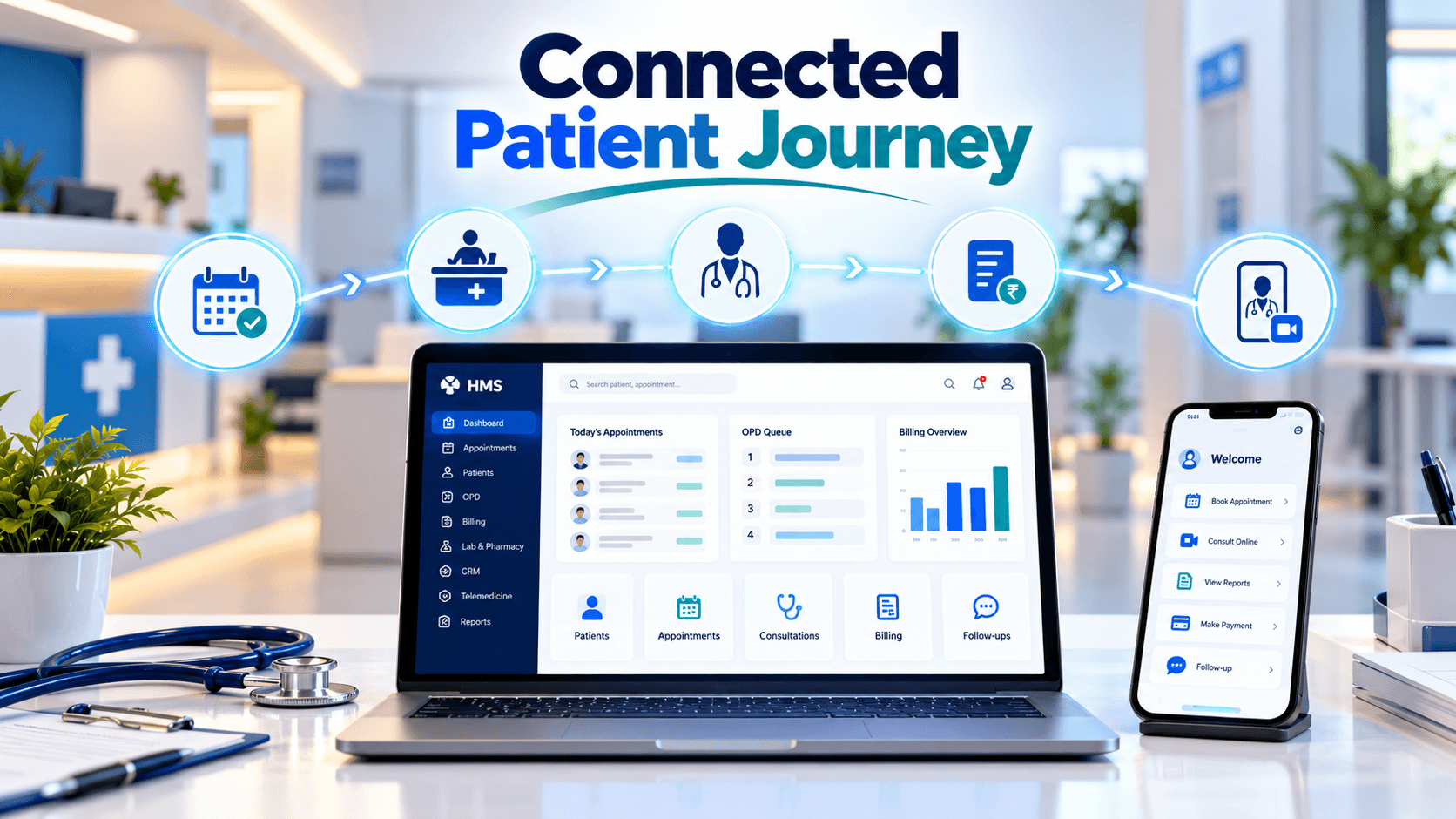
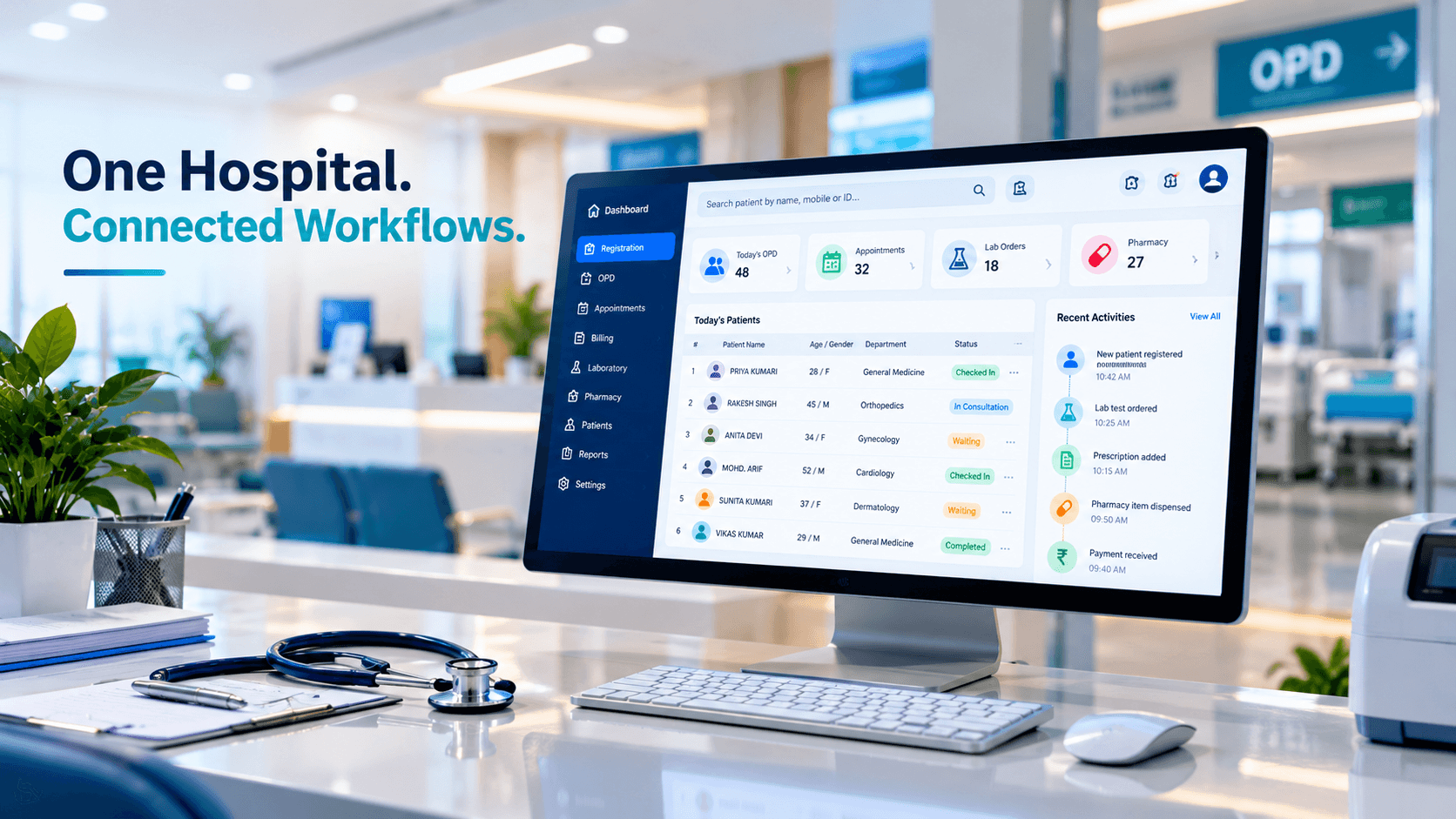
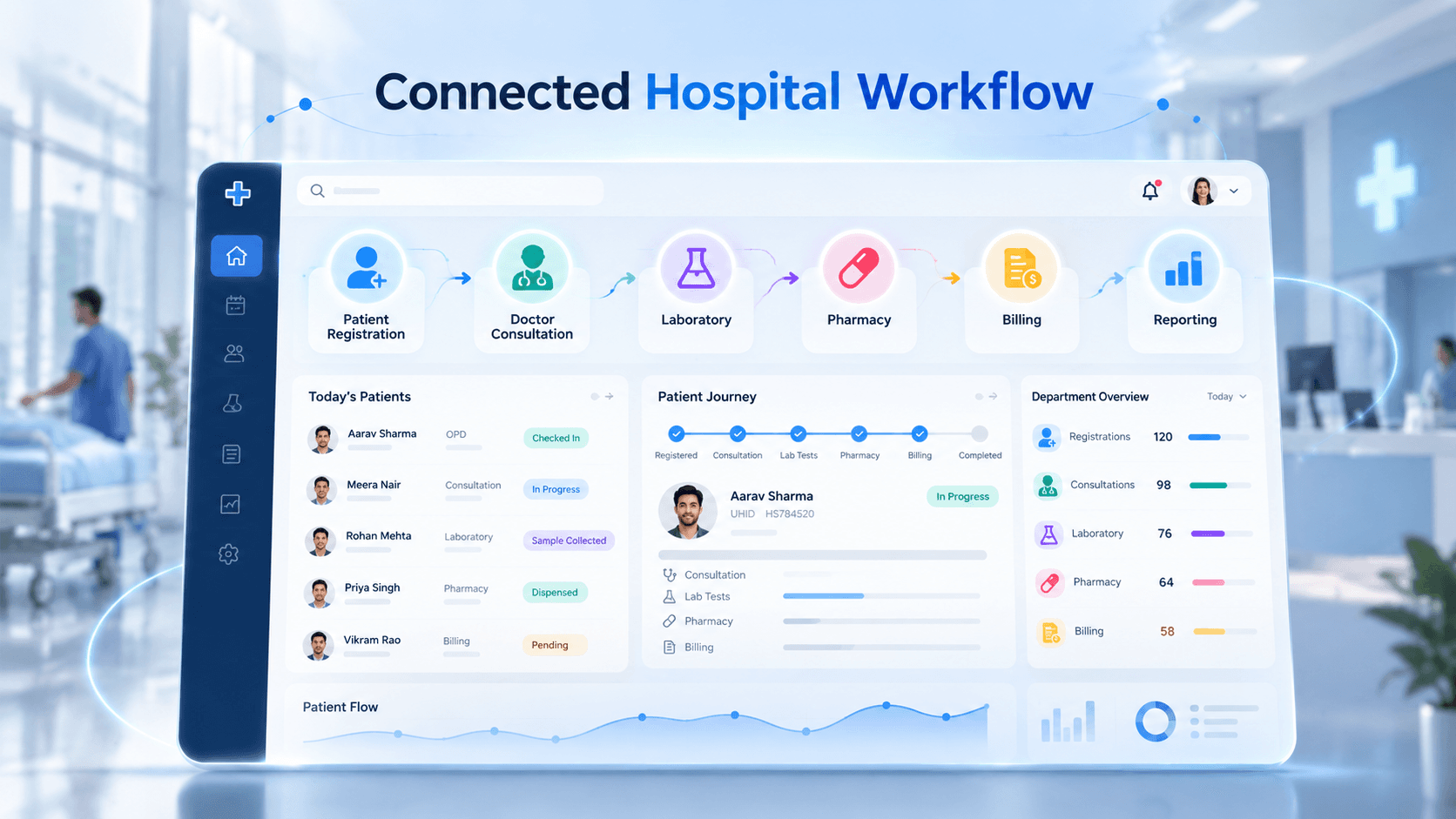
Healthcare organisations planning a broader ecosystem can also explore how to turn a hospital into a digital growth engine by connecting the healthcare website and CMS with HMS, CRM, telemedicine, OPD workflows, AI and patient applications.
The right enterprise CMS for healthcare should help teams publish trusted content faster, maintain governance across departments, improve patient discovery and prepare content for websites, applications, search engines and AI-powered experiences.
Planning a Healthcare CMS Implementation or Migration?
Choose the platform based on your content governance, integrations, digital channels, budget and long-term growth strategy.
Request an Enterprise Healthcare CMS Assessment and Platform Demo.
Frequently Asked Questions
What is an enterprise CMS for healthcare?
An enterprise healthcare CMS is a platform for creating, reviewing, approving, managing and distributing healthcare content across websites, applications, portals and multiple organisational brands or locations.
What features should an enterprise healthcare CMS include?
Important capabilities include structured content, approval workflows, role-based access, version history, multisite management, multilingual publishing, reusable components, APIs, search, personalisation, digital assets and system integrations.
Which CMS is best for healthcare organisations?
There is no single best CMS for every healthcare organisation. The right choice depends on content complexity, governance requirements, personalisation, integrations, technical skills, digital channels, budget and long-term operating model.
Is Sitecore suitable for enterprise healthcare websites?
Sitecore is suitable for large hospitals, insurers and healthcare networks requiring multisite content, personalisation, healthcare search, reusable components and sophisticated digital experiences.
Is Sanity suitable for healthcare and pharmaceutical content?
Sanity is suitable for organisations that need structured content, flexible content models, composable architecture and API delivery across healthcare websites, mobile apps, portals, search and AI-powered experiences.
When should a healthcare organisation choose Umbraco?
Umbraco is a practical option for organisations using the Microsoft .NET ecosystem and requiring custom healthcare websites, multilingual content, editorial control and integrations with CRM, appointment or hospital systems.
What is Optimizely best suited for in healthcare?
Optimizely is suited to healthcare organisations that want to combine content management with personalisation, experimentation and optimisation of patient journeys, campaigns and appointment-conversion experiences.
When should healthcare organisations choose Contentful?
Contentful is suitable for healthcare organisations with experienced development teams that need an API-first, composable content platform for websites, mobile apps, portals and multiple digital touchpoints.
Is Strapi suitable for healthcare platforms?
Strapi can support healthcare websites and applications requiring open-source headless architecture, custom content models, REST or GraphQL delivery and greater control over hosting and platform customisation.
Can an enterprise CMS integrate with healthcare software?
Yes. An enterprise CMS can connect with CRM, appointment systems, provider directories, telemedicine platforms, search, analytics and hospital systems through available APIs, middleware or custom integration services.
Can a healthcare CMS manage multiple websites and languages?
Yes. Enterprise CMS platforms can support multiple hospital websites, brands, countries and languages while enabling central governance and controlled content management by authorised regional teams.
How much does an enterprise healthcare CMS cost?
Cost depends on platform licensing, hosting, number of websites, content migration, integrations, workflow complexity, custom components, multilingual requirements, training, security and ongoing support.