OPD, Lab, Pharmacy & Hospital Billing Software in Ranchi: One Connected Workflow
In This Article
- Who Needs OPD Billing Software in Ranchi?
- Why Disconnected Hospital Billing Creates Operational Problems
- How Connected OPD, Lab and Pharmacy Software Works
- Hospital Management Software Modules: What MSI Has Delivered
- Hospital Software Demo: See the Patient Workflow
- Ready to Connect Your Hospital Departments?
- Benefits of Hospital Automation in Jharkhand
- Hospital Billing Software Cost and Implementation in Ranchi
- HMS Case Study: Connected Hospital Operations by MSI
- Request Hospital Software Demo in Ranchi
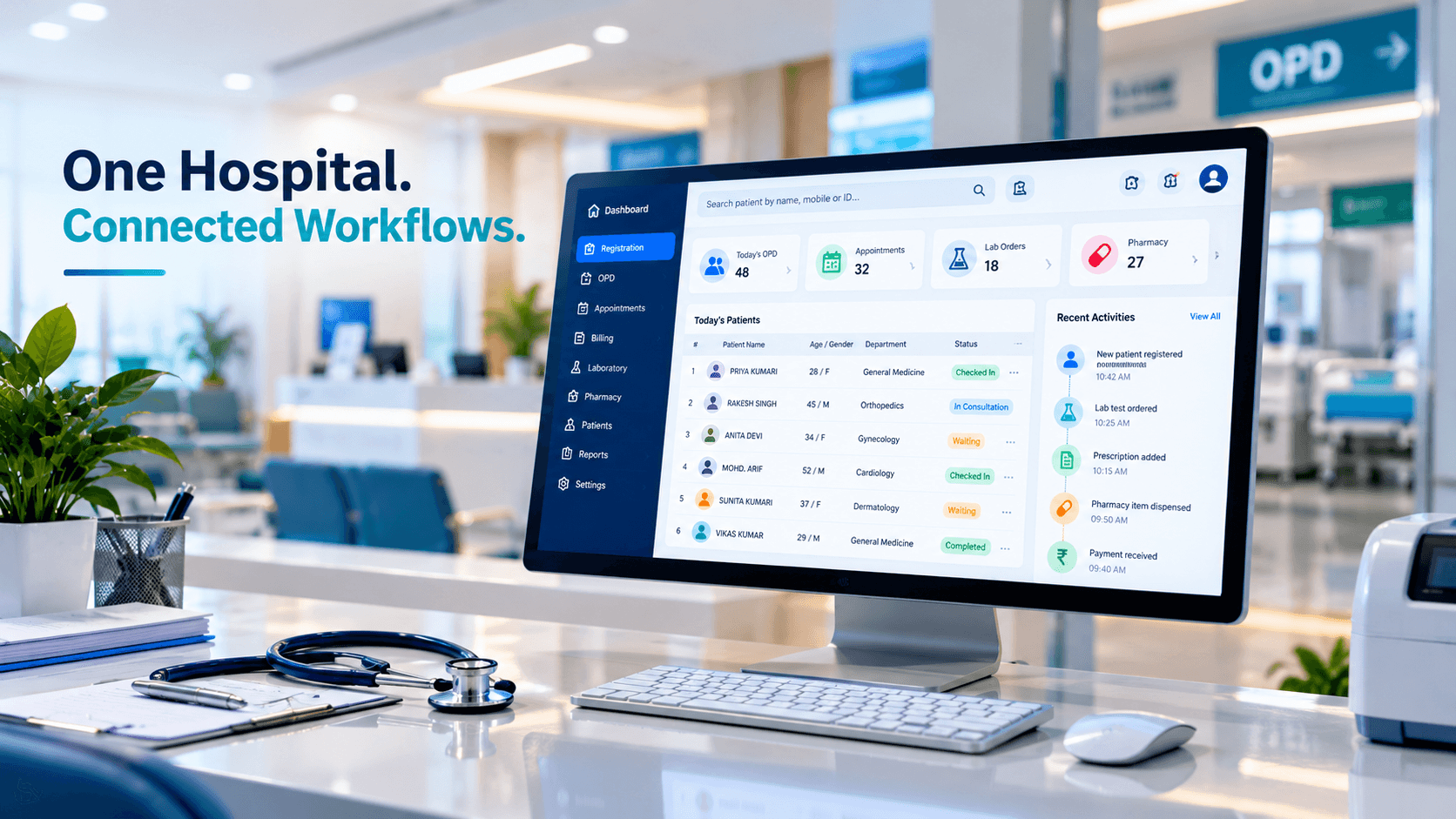
A patient registers at reception, consults a doctor, visits the laboratory, collects medicines and pays the final bill. But what happens when every department uses a different register or software system? Staff repeatedly enter patient details, charges become difficult to reconcile, and administrators wait for reports. For hospitals, nursing homes and diagnostic facilities in Ranchi, connected OPD and hospital billing software offers a more organized approach: one patient journey, linked department workflows and clearer financial visibility.
Who Needs OPD Billing Software in Ranchi?
Connected hospital software is relevant to healthcare organizations managing multiple daily activities:
- Hospitals and nursing homes coordinating registration, OPD, consultations and billing.
- Multi-specialty clinics managing doctors, appointments and patient histories.
- Diagnostic facilities seeking better coordination between test requests, reporting and payments.
- Healthcare administrators needing timely department-wise and collection reports.
For facilities in Ranchi and across Jharkhand, the goal is not simply digitizing records. It is connecting the work happening between departments.
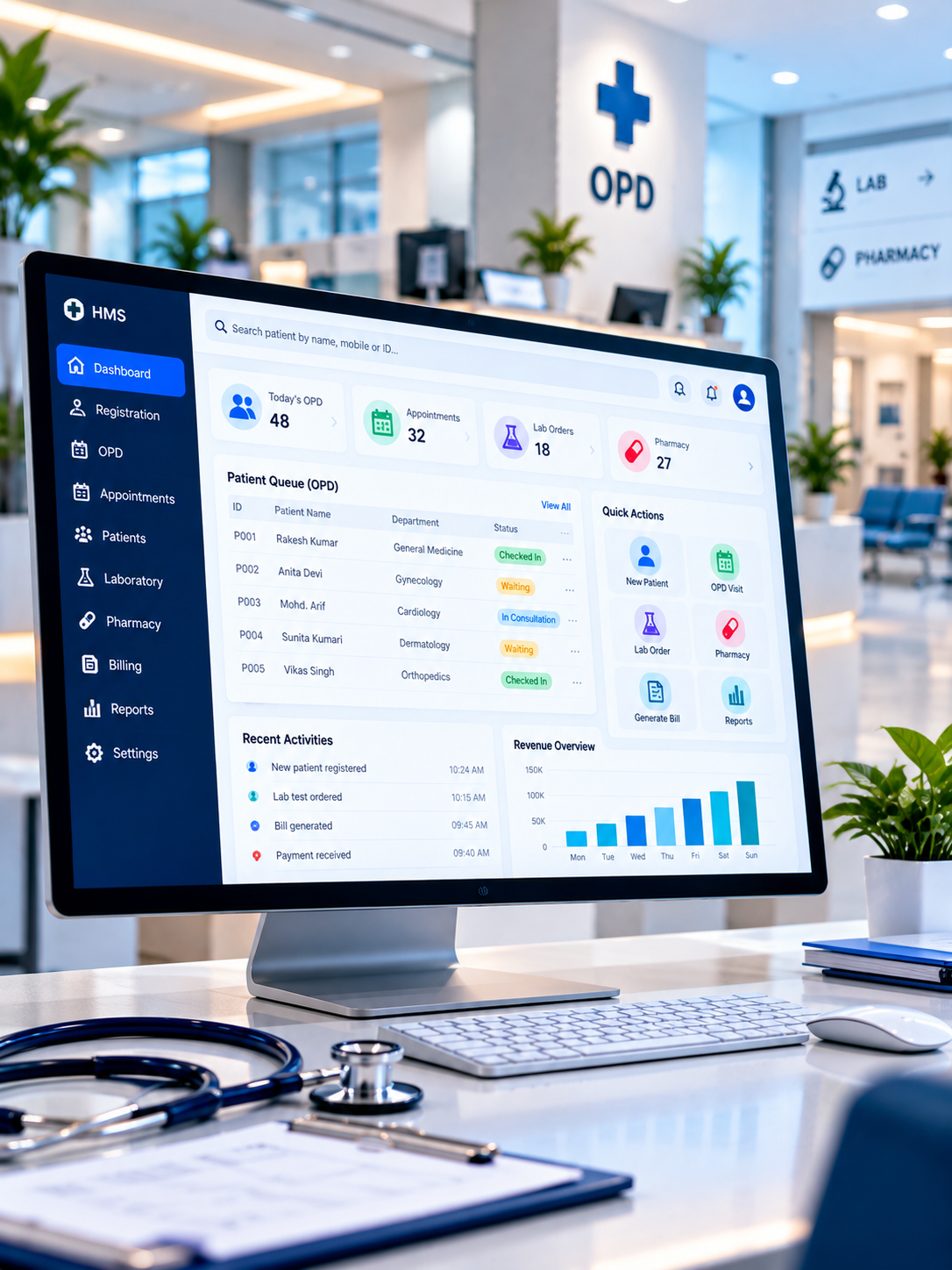
Connect Care. Simplify Hospital Operations.
Unify patient registration, OPD consultations, billing and reporting, with tailored pathways to integrate laboratory and pharmacy workflows.
Why Disconnected Hospital Billing Creates Operational Problems
Consider a patient whose consultation requires blood tests and prescribed medicines.
In a disconnected setup, reception records the patient's details, laboratory staff create another entry, pharmacy staff prepare a separate bill, and accounts manually reconcile payments.
This creates familiar problems: duplicate patient records, missing or repeated charges, delayed laboratory coordination, unclear outstanding balances and time-consuming reports.
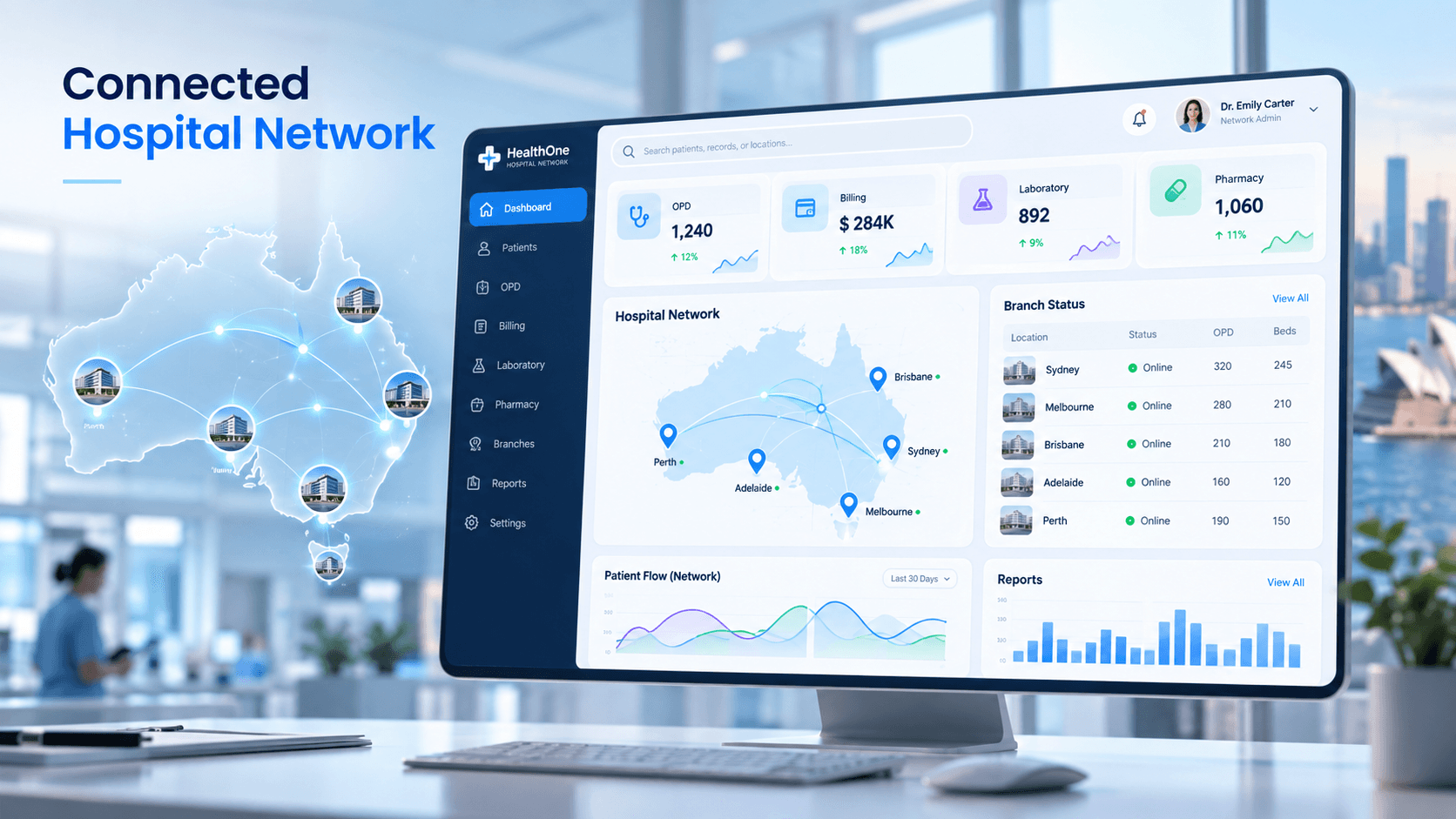
A centralized Hospital Management System (HMS) can reduce repeated entry by connecting patient identity, visit information and financial transactions through controlled workflows.
Modernize Hospital Operations With Connected OPD and Billing Software
How Connected OPD, Lab and Pharmacy Software Works
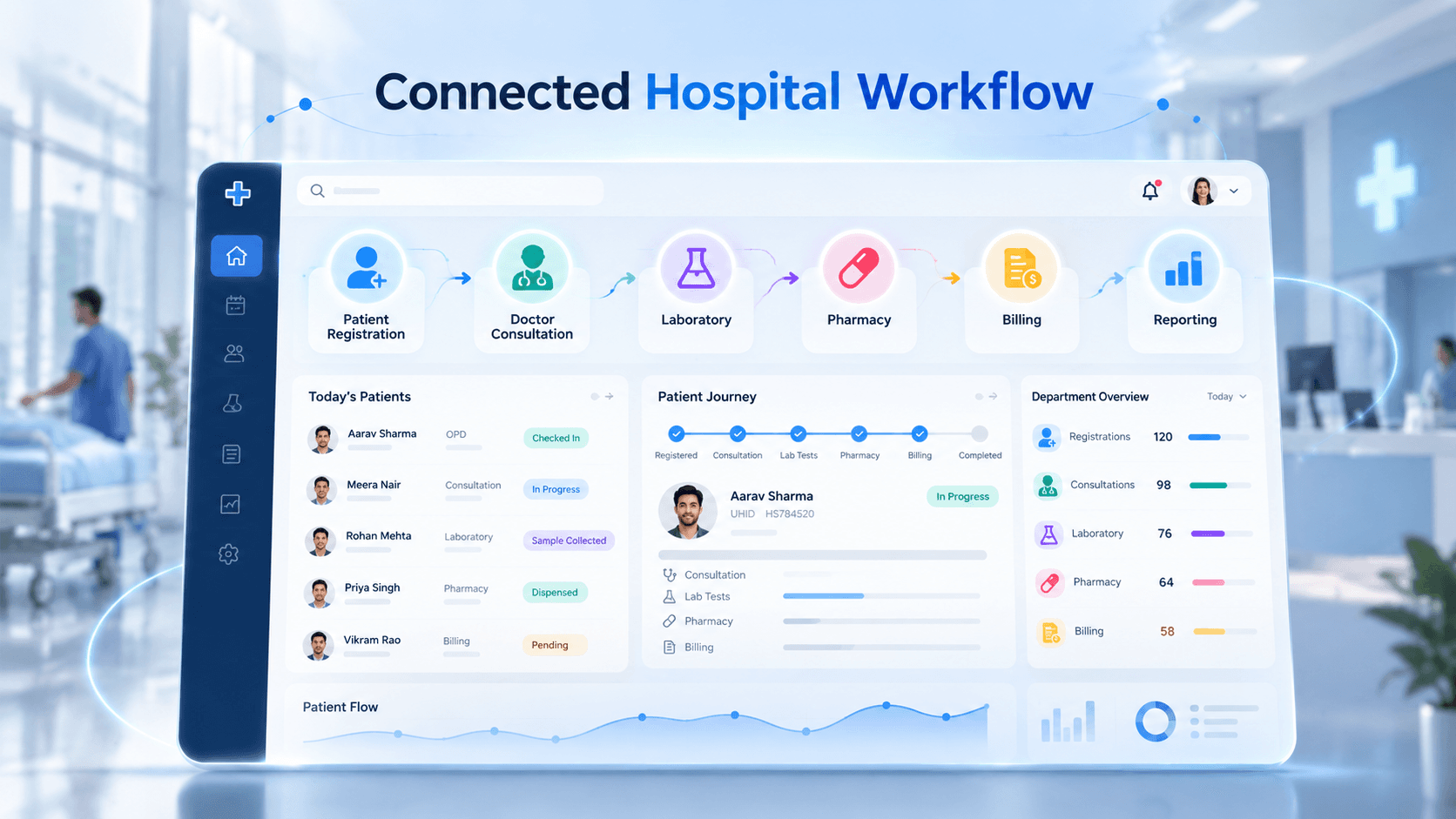
The ideal workflow follows a patient through six stages.
1. Registration: Reception searches for an existing patient or creates a profile with a unique patient ID and visit history.
2. OPD consultation: Staff assign the visit to a department or doctor. The doctor accesses relevant history and records consultation notes.
3. Laboratory request: Where an integrated laboratory module is implemented, approved test orders can reference the same patient visit, with results returned to authorized clinical staff.
4. Pharmacy: With an integrated pharmacy module, prescription information can support medicine dispensing, stock checks and related charges.
5. Hospital billing: Consultation and other configured service charges flow into the billing process, where authorized staff verify invoices, record payments and review outstanding balances.
6. Management reporting: Administrators review patient volumes, billing collections, doctor activity and departmental performance.
Important: MSI's published HMS case study confirms registration, OPD, consultation, billing and reporting functionality. Laboratory and pharmacy modules are described as integration-ready or future extensions, requiring a separate scope assessment.
Hospital Management Software Modules: What MSI Has Delivered
Murmu Software Infotech's Hospital Management System case study documents these implemented capabilities:
- Patient registration, unique IDs and searchable medical histories
- OPD visits, department allocation and consultation tracking
- Doctor schedules and appointment management
- Doctor dashboards, notes and prescription records
- Service-wise billing, invoices and payment tracking
- Role-based access and department-wise reports
Laboratory information systems, pharmacy management, telemedicine and further integrations can be evaluated as additional modules.
Explore MSI's Digital Healthcare Management System solutions to discuss the configuration your facility requires.
Hospital Software Demo: See the Patient Workflow
Before selecting HMS software, request a demonstration covering an existing-patient search, new OPD visit, doctor consultation, service invoice and payment report.
Ask to see real working interfaces, not just presentation slides.
If laboratory or pharmacy integration is essential, request a separate walkthrough or proposed integration design showing how orders, results, prescriptions and charges would connect.
Ready to Connect Your Hospital Departments?
From OPD registration to billing and management reports, MSI can help assess your current workflows and identify the right implementation scope.
Request Hospital Software Demo
Discover MSI's Top AI Solutions
Explore three powerful AI solutions to automate workflows and accelerate growth.
325 KB
Benefits of Hospital Automation in Jharkhand
A well-implemented system can improve operations in several practical ways:
Less repeated entry: Reusing patient and visit records reduces unnecessary administrative work.
Clearer billing: Service-wise invoices and payment tracking help accounts teams review charges and outstanding amounts.
Better coordination: Doctors, reception and billing staff can work from consistent information, subject to access permissions.
Stronger oversight: Daily reports help management assess patient traffic, collections and departmental workload.
These are potential operational benefits, not guaranteed percentage savings. Actual results depend on workflows, staff adoption and integration quality.
Hospital Billing Software Cost and Implementation in Ranchi
Hospital software pricing depends on the number of departments, doctors, users, branches, custom modules, integrations, hosting and maintenance requirements.
Before requesting a quotation, define whether your organization needs core OPD and billing first or a broader system involving laboratory, pharmacy, inpatient management and external integrations.
A practical implementation approach includes workflow discovery, module prioritization, patient-data migration planning, access permissions, testing, staff training and a phased launch.
Also evaluate security, backups, audit requirements, patient-data protection and applicable ABDM/ABHA integration needs. Compliance should be verified against the actual proposed system, not assumed from a feature list.
For additional buying guidance, read MSI's Hospital Management Software in Ranchi: Features, Cost and Implementation Guide.
See Your Hospital's OPD and Billing Workflows Simplified
HMS Case Study: Connected Hospital Operations by MSI
MSI's published HMS project documents a centralized system covering registration, OPD, appointments, doctor dashboards, billing, permissions and reporting.
The case study describes improvements in workflow organization, patient information access, billing visibility and departmental coordination, without providing independently verified percentage-based performance figures.
It also demonstrates why healthcare systems should be designed for future expansion rather than forcing every facility into the same software configuration.
For related digital healthcare engineering experience, explore MSI's DOC247 telemedicine platform case study.
Request Hospital Software Demo in Ranchi
Disconnected departments should not mean disconnected patient information.
Whether you manage a hospital, nursing home or diagnostic facility, MSI can help you assess registration, OPD, laboratory, pharmacy and billing workflows.
Discover the documented HMS capabilities and discuss the additional integrations your organization needs.
Request Hospital Software Demo | Discuss Your Requirements
Frequently Asked Questions
What is OPD billing software, and why do hospitals in Ranchi need it?
OPD billing software manages outpatient consultation charges, service invoices, payments and outstanding balances. When connected to patient registration and doctor workflows, it helps hospitals in Ranchi reduce repeated data entry, organize daily collections and improve billing visibility.
Can one hospital management system connect OPD, laboratory, pharmacy and billing?
Yes. A properly integrated Hospital Management System can connect registration, consultations, laboratory orders, pharmacy dispensing, billing and reporting through shared patient and visit records. The exact modules and integrations depend on the hospital's requirements and the implemented configuration.
Which hospital management software modules has Murmu Software Infotech implemented?
MSI's published HMS case study documents patient registration, searchable patient profiles, OPD visits, appointments, doctor dashboards, service-wise billing, payment tracking, role-based access and operational reports. Laboratory and pharmacy are described as integration-ready or future extensions of that specific HMS project.
Does MSI provide laboratory management software for hospitals and diagnostic centers?
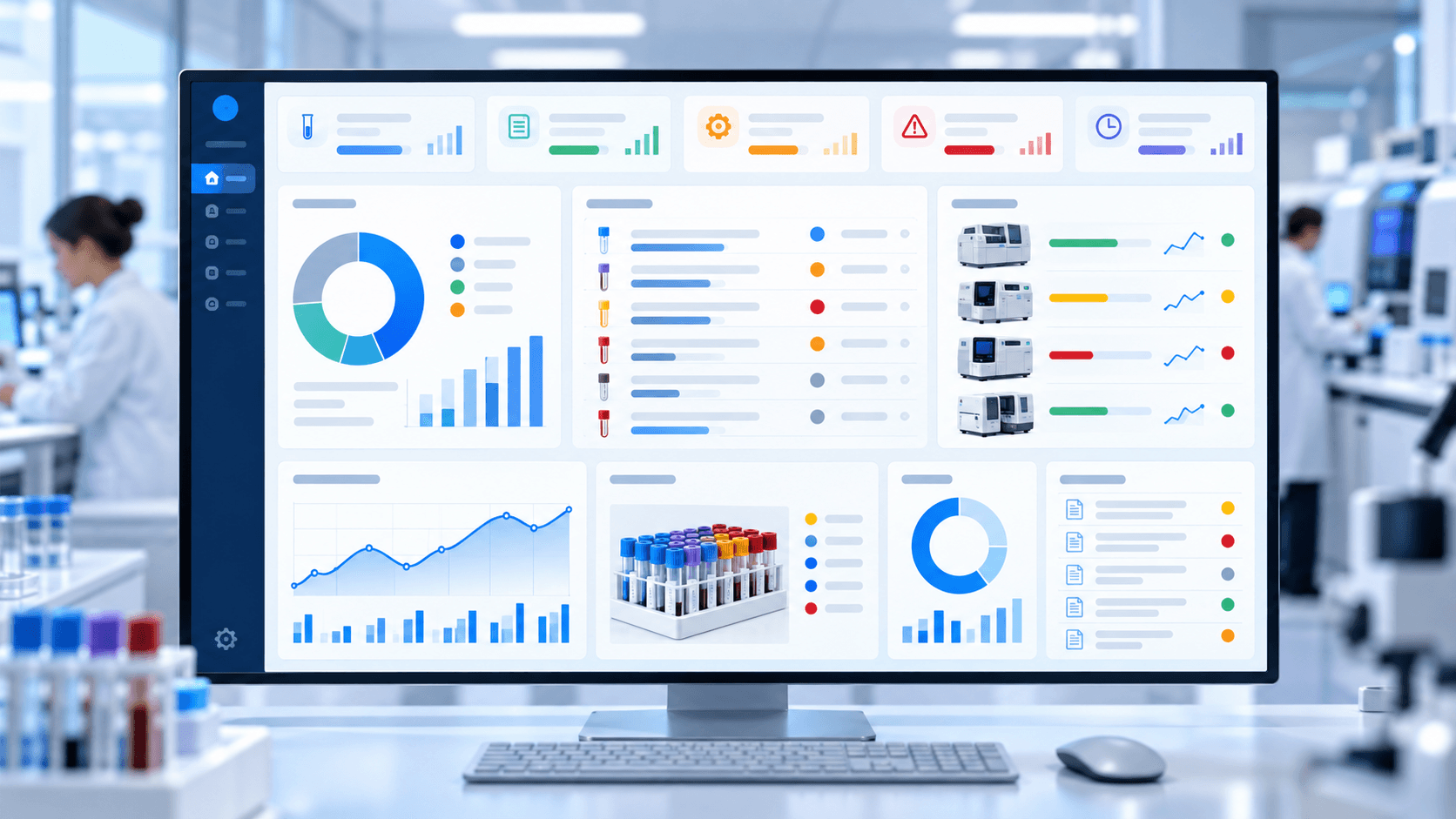
Yes. MSI has published a separate LIMS case study covering test booking, sample collection tracking, laboratory reports, technician dashboards, report approval, diagnostic billing and patient report access. Integration between a LIMS and a hospital's HMS should be assessed separately.
Is pharmacy management already integrated into MSI's hospital management system?
The published HMS case study identifies pharmacy management as an integration-ready or future module rather than a verified completed component of that project. MSI can assess pharmacy requirements such as prescription workflows, stock management, dispensing and billing integration during solution planning.
How can connected hospital billing reduce duplicate patient entries and billing confusion?
Connected software can reuse a unique patient record across registration, OPD visits and billing. When departmental integrations are implemented, authorized staff can reference the same visit for additional services. This can reduce repeated entry and make invoices, payments and outstanding balances easier to reconcile.
Is hospital management software suitable for small nursing homes and clinics in Ranchi?
Yes. Smaller healthcare facilities can begin with patient registration, appointments, OPD, doctor management, billing and essential reports. Additional capabilities such as laboratory integration, pharmacy, inpatient management and patient communication can be evaluated as needs grow.
How much does OPD and hospital billing software cost in Ranchi?
Cost depends on the number of departments, users, doctors, locations, integrations, data migration, hosting, training and support. A focused OPD and billing solution may require less work than a full hospital ERP. Request a requirements-based quotation for an accurate estimate.
How long does HMS implementation take, and can existing patient data be migrated?
Implementation time depends on module scope, existing systems, data quality, integration requirements and testing. Historical patient data may be migrated after reviewing its format, completeness, permissions and security requirements. A phased rollout can help facilities adopt core workflows before adding more departments.
How can a hospital in Ranchi request a demo and discuss ABDM or ABHA requirements?
Book an appointment with Murmu Software Infotech and share your hospital size, current software, required modules and integration priorities. The team can review a relevant HMS workflow and discuss applicable ABDM or ABHA integration requirements. Compliance and integration readiness must be verified for the proposed configuration.