As digital experiences evolve, businesses must deliver content across multiple platforms—websites, mobile apps, IoT devices, and more. Traditional CMS platforms struggle to keep up with this demand due to their rigid architecture.
Sitecore Headless CMS solves this challenge by decoupling the backend from the frontend, enabling seamless content delivery across all digital touchpoints.
What is Sitecore Headless CMS?
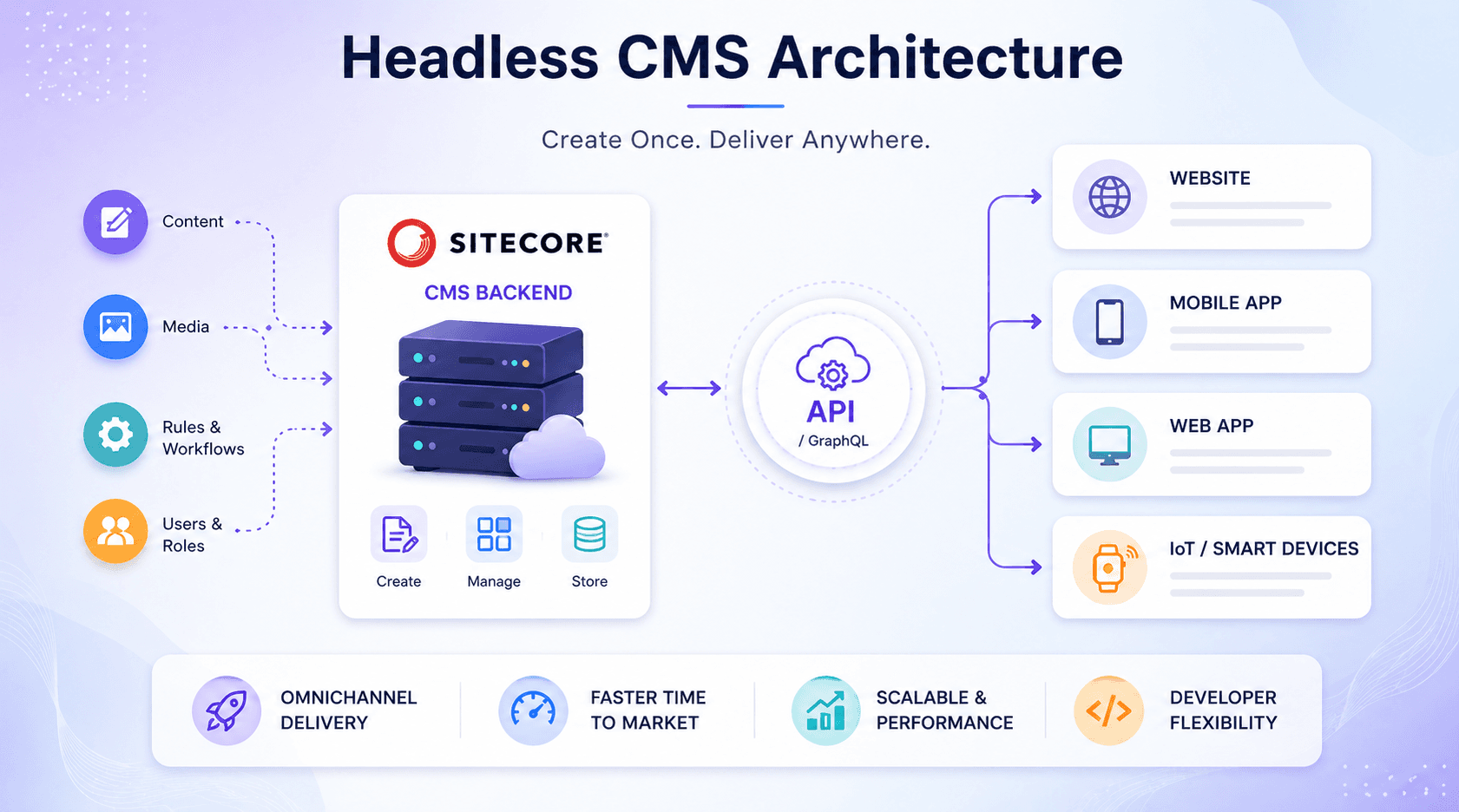
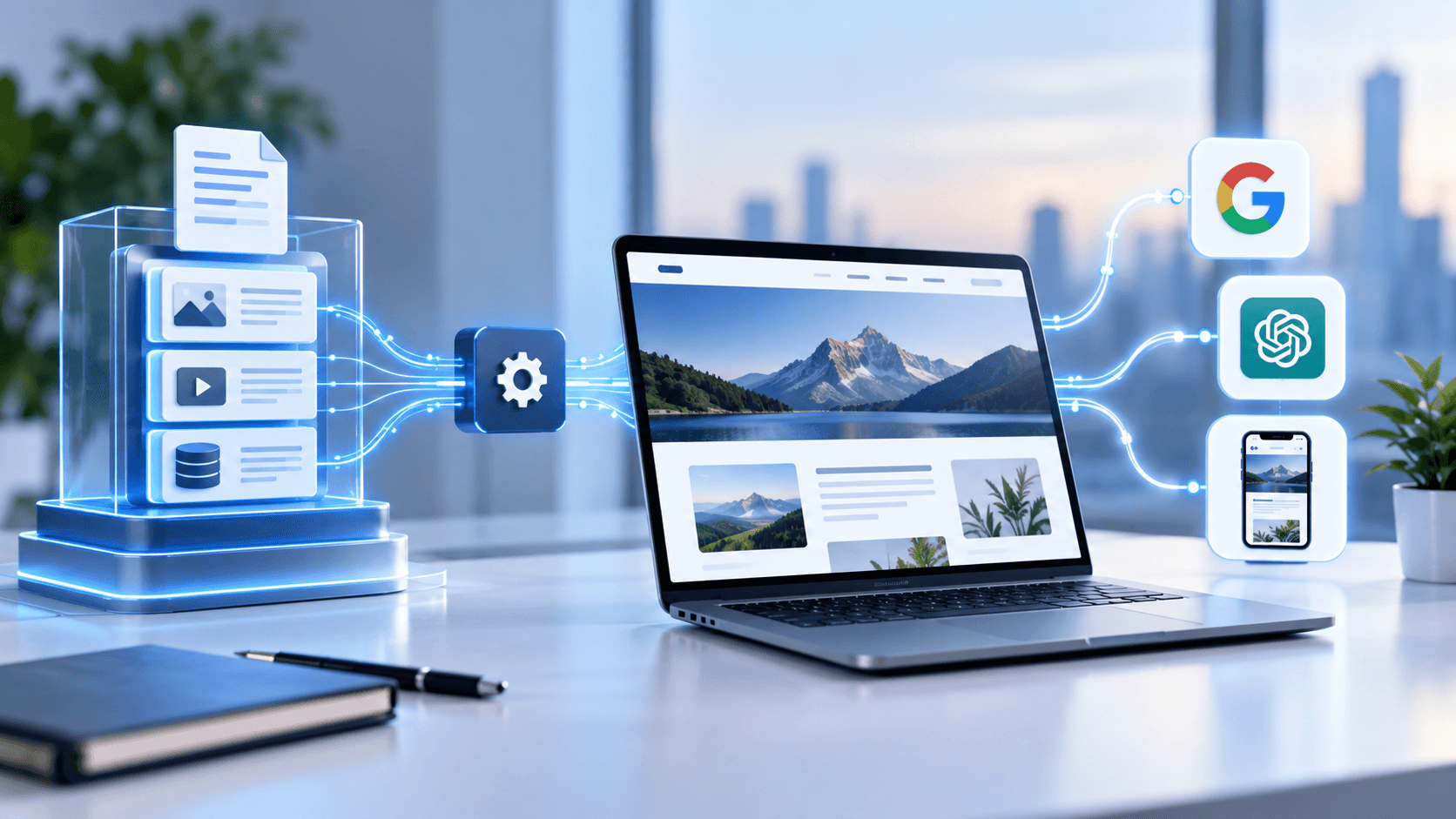
Sitecore Headless CMS is an API-first content management system where content is created and managed in the backend and delivered via APIs to any frontend framework.
This architecture allows developers to build fast, modern user interfaces while marketers retain full control over content.
Key Benefits of Sitecore Headless CMS
Transform Your Sitecore Platform With Modern Headless Development Expertise
Sitecore headless architecture allows developers to use modern technologies such as React, Angular, and Next.js.
Benefits include:
Faster development cycles
Greater design freedom
Improved performance
3. Faster Time-to-Market
Businesses can launch campaigns and update content quickly without relying on full system deployments.
This agility helps organizations stay competitive in fast-changing markets.
4. Scalability and Performance
Decoupled architecture allows independent scaling of frontend and backend systems.
This results in:
Better performance under heavy traffic
Improved site speed
Seamless growth
5. Easy Integration with Modern Tools
Sitecore Headless CMS integrates easily with:
CRM platforms
E-commerce systems
Marketing automation tools
This enables a flexible and future-ready tech stack.
6. Content Reusability
Content is stored in a structured format, making it reusable across multiple channels without duplication.
This improves efficiency and reduces content management effort.
7. Advanced Personalization
Sitecore enables personalized experiences by delivering content based on user behavior and preferences.
This leads to:
Higher engagement
Better user experience
Increased conversions
8. Independent Development Workflow
Frontend and backend teams can work independently, reducing bottlenecks and improving collaboration.
9.Ease of Deployment
Your web app is a nimble self-contained JS bundle, easier to deploy and manage.
10. Services and APIs
GraphQL Use GraphQL to add a query in Sitecore and retrieve the data you need in the most efficient way.
Server-side Rendering JSS supports headless server-side rendering using any service that supports hosting Node.js applications.
Translations Sitecore JSS has been built to allow you to take advantage of one of Sitecore's strongest WCM features - content language versioning.
Sitecore Headless CMS vs Traditional CMS
Feature
Headless CMS
Traditional CMS
Architecture
Decoupled
Monolithic
Flexibility
High
Limited
Omnichannel Support
Excellent
Limited
Development Speed
Faster
Slower
Customization
High
Restricted
Challenges of Sitecore Headless CMS
While powerful, it comes with some considerations:
Requires technical expertise
Higher initial setup effort
No built-in frontend
Businesses should evaluate their resources before implementation.
Conclusion
Sitecore Headless CMS is a powerful solution for delivering modern, scalable, and personalized digital experiences. Its flexibility, performance, and omnichannel capabilities make it an ideal choice for businesses looking to stay ahead in a competitive digital landscape.
Adopting a headless approach is no longer optional—it’s a strategic move toward future-ready digital transformation.
FAQs
Q1. What is Sitecore Headless CMS used for? It is used to manage and deliver content across multiple digital platforms using APIs.
Q2. Is Sitecore Headless CMS better than traditional CMS? Yes, for businesses needing flexibility, scalability, and omnichannel delivery.
Q3. Who should use Sitecore Headless CMS? Organizations focused on digital transformation, personalization, and multi-platform content delivery.
Happy Coding !
Frequently Asked Questions
What is Sitecore Headless CMS: Benefits, Features, and Why It Matters in 2026?⌄
Discover Sitecore Headless CMS benefits, features, and use cases. Learn how API-first architecture enables omnichannel delivery, scalability, and faster digital experiences.